HR Compliance in 2026: New Rules, Risks, and Readiness

HR compliance is no longer just about following rules at year-end. As we move into 2026, businesses are expected to stay compliant every single day—from payroll accuracy to employee data protection and hybrid work policies.
With changing regulations and increased digital monitoring, HR teams need clarity, not complexity. This blog breaks down the most important compliance trends for 2026 in a simple, practical way—and how tools like ZFour HRMS help businesses stay stress-free.
Why HR Compliance Feels More Important in 2026?
Earlier, compliance reviews happened occasionally. Today, companies are expected to maintain:
Accurate payroll records
Secure employee data
Transparent HR processes
Audit-ready documentation
Manual processes increase the risk of errors, delays, and penalties.
According to insights shared by SHRM, organizations are facing increased compliance risks due to evolving labour laws, data privacy rules, and remote work models.
Key HR Compliance Trends to Watch in 2026
Payroll Compliance Is More Important Than Ever
Payroll is becoming one of the most closely audited HR areas. Errors in salary calculation, tax deduction, or attendance linkage can easily trigger compliance issues.
What this means for HR: Payroll must be automated, accurate, and audit-ready at all times.
2. Employee Data Privacy Is Non-Negotiable
With stricter data protection rules, employee information like salary, attendance, and personal details must be:
Secure
Access-controlled
Properly stored and deleted
HR teams are now directly responsible for how employee data is handled.
3. Hybrid Work Needs Clear Policies
Hybrid and remote work are permanent, but compliance around them is still evolving. Businesses must clearly define:
Attendance rules
Work hours
Leave tracking
Location-based payroll handling
Without proper systems, hybrid work can easily create compliance gaps.
4. Automation Must Be Transparent
Automation and AI are helping HR teams work faster, but regulators want transparency. Decisions related to attendance, payroll, or performance must be explainable—not a black box.
5. Compliance Is Becoming a Daily Activity
Compliance is no longer annual or quarterly. HR teams must maintain continuous compliance, supported by systems—not spreadsheets.
Compliance Trends Summary for 2026
Compliance Area | What’s Changing | What Businesses Should Do |
Payroll Compliance | Real-time checks & audits | Use automated payroll systems |
Data Privacy | Stricter employee data rules | Secure and control HR data |
Hybrid Work | Policy-driven compliance | Track attendance & location |
Automation | Need for transparency | Keep clear HR records |
Reporting | Audit-ready expectations | Maintain clean HR documentation |
How ZFour HRMS Helps Businesses Stay Compliant?
ZFour HRMS is built for practical compliance, not complexity. It helps businesses by:
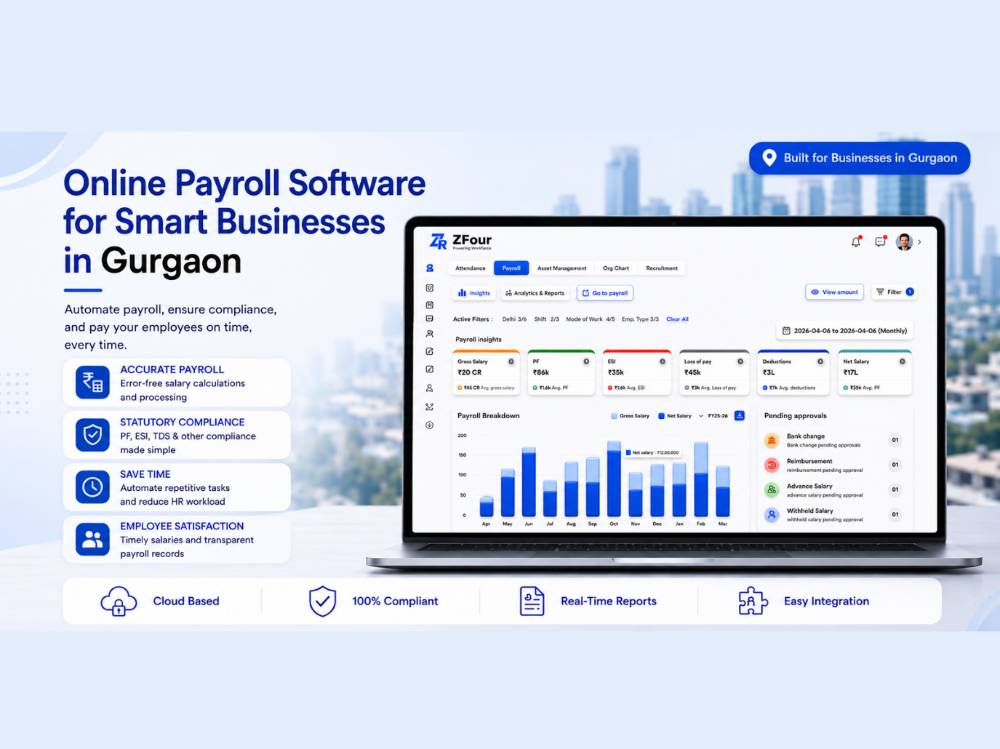
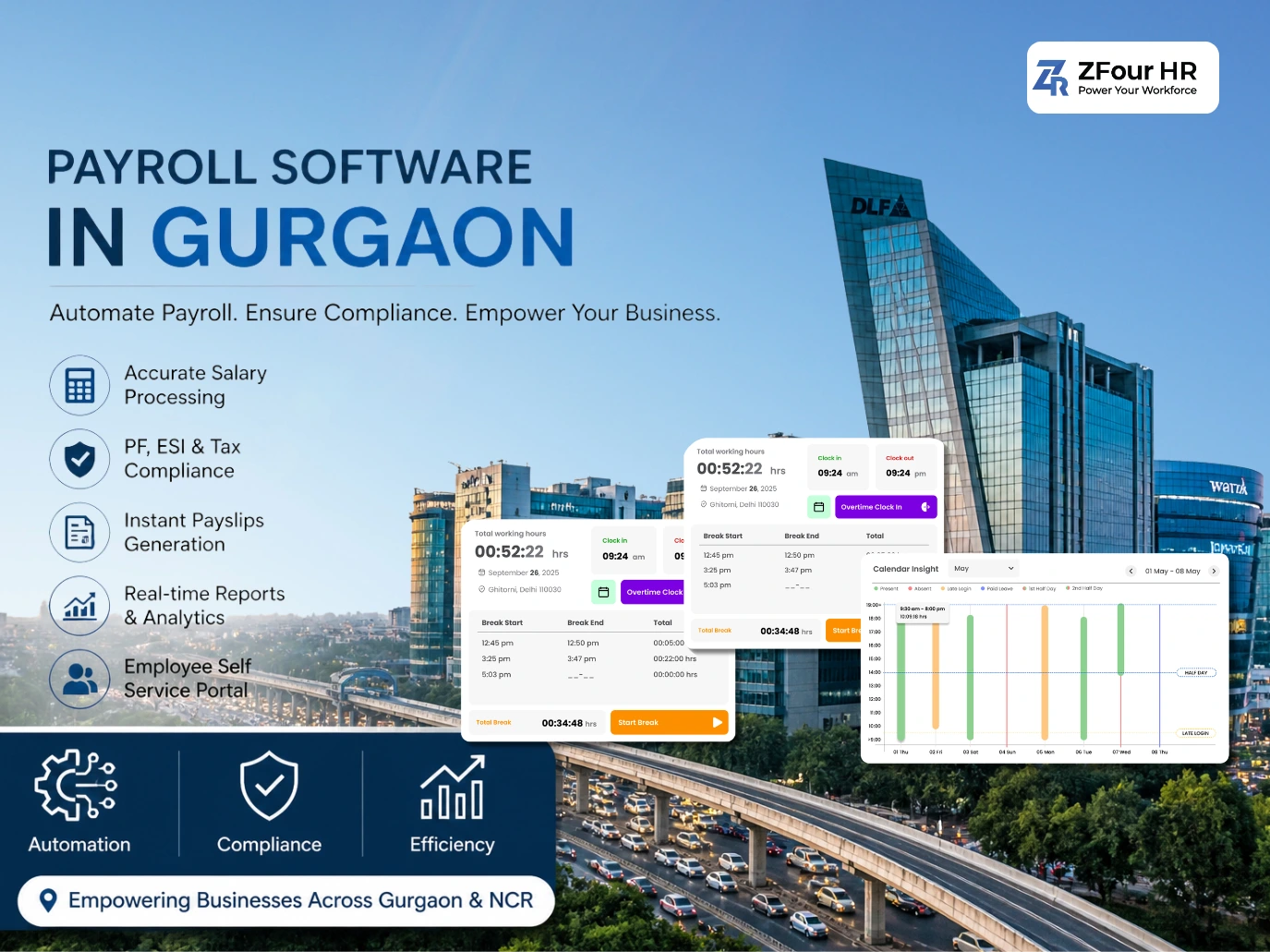
Automating payroll and attendance
Keeping employee data organized and secure
Reducing manual errors
Making HR records audit-ready
Supporting hybrid work tracking
Instead of worrying about compliance, HR teams can focus on people and growth.
Final Thoughts
HR compliance in 2026 is about being prepared, organized, and consistent. Businesses that rely on manual processes will struggle, while those using the right HRMS will stay ahead with confidence.
Ready for HR compliance in 2026?