The Ultimate Guide to HRMS Payroll: Streamlining Payroll Processing for Modern Businesses
In today's fast-paced business world, managing human resources efficiently is more critical than ever. One of the most time-consuming and complex HR functions is payroll processing. From calculating salaries and deductions to ensuring compliance with tax regulations, payroll can be a challenging task for businesses of all sizes. This is where HRMS Payroll comes into play.
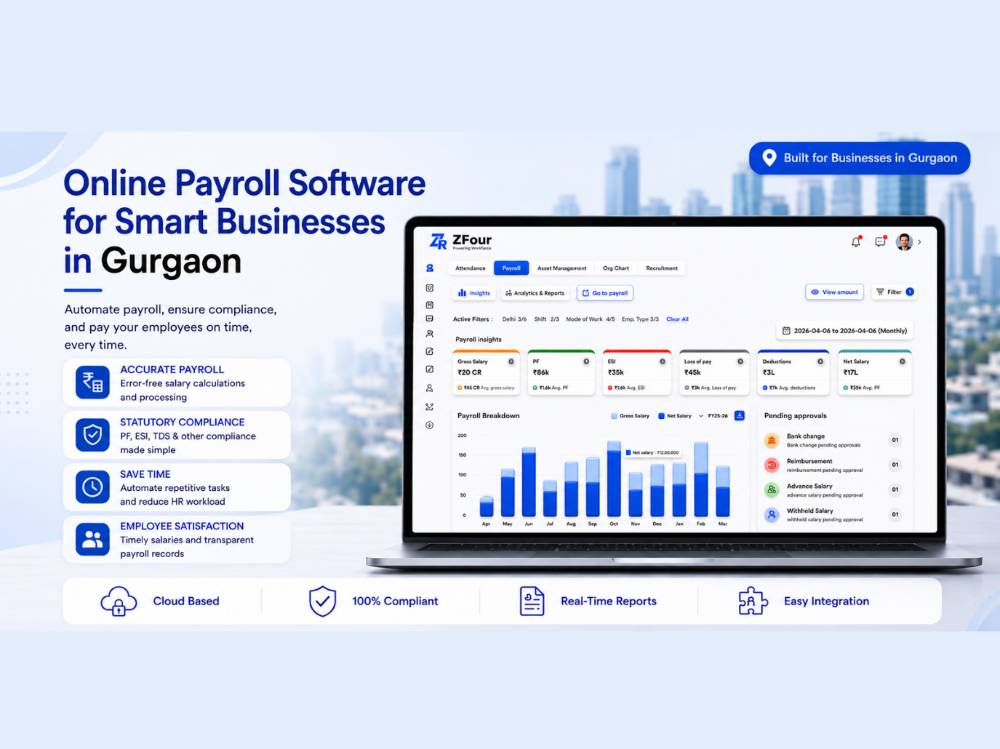
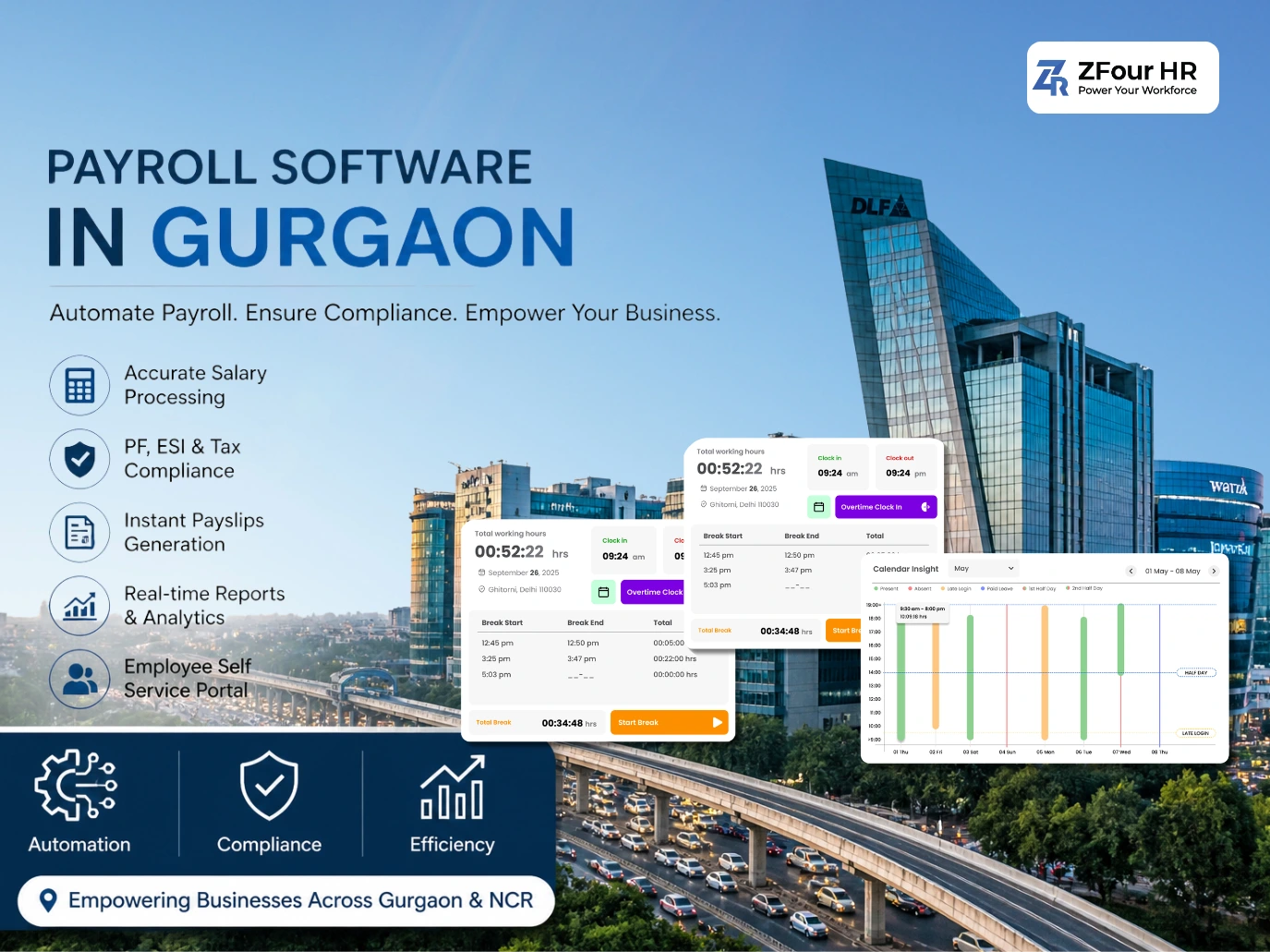
HRMS (Human Resource Management System) Payroll is an integrated software solution that automates and streamlines payroll processes, reducing errors, improving efficiency, and ensuring compliance with labor laws. In this comprehensive guide, we’ll explore the importance of HRMS Payroll, its key features, benefits, and how to choose the right system for your business.
What is HRMS Payroll?
HRMS Payroll is a digital platform that manages all aspects of payroll processing, including salary calculations, tax deductions, benefits administration, and compliance management. It is typically part of a broader HRMS software that handles employee records, attendance, performance, and other HR functions.
Unlike traditional payroll processing, which involves manual calculations and spreadsheets, HRMS Payroll automates these tasks, reducing errors and saving time. This allows HR teams to focus on strategic initiatives rather than administrative burdens.
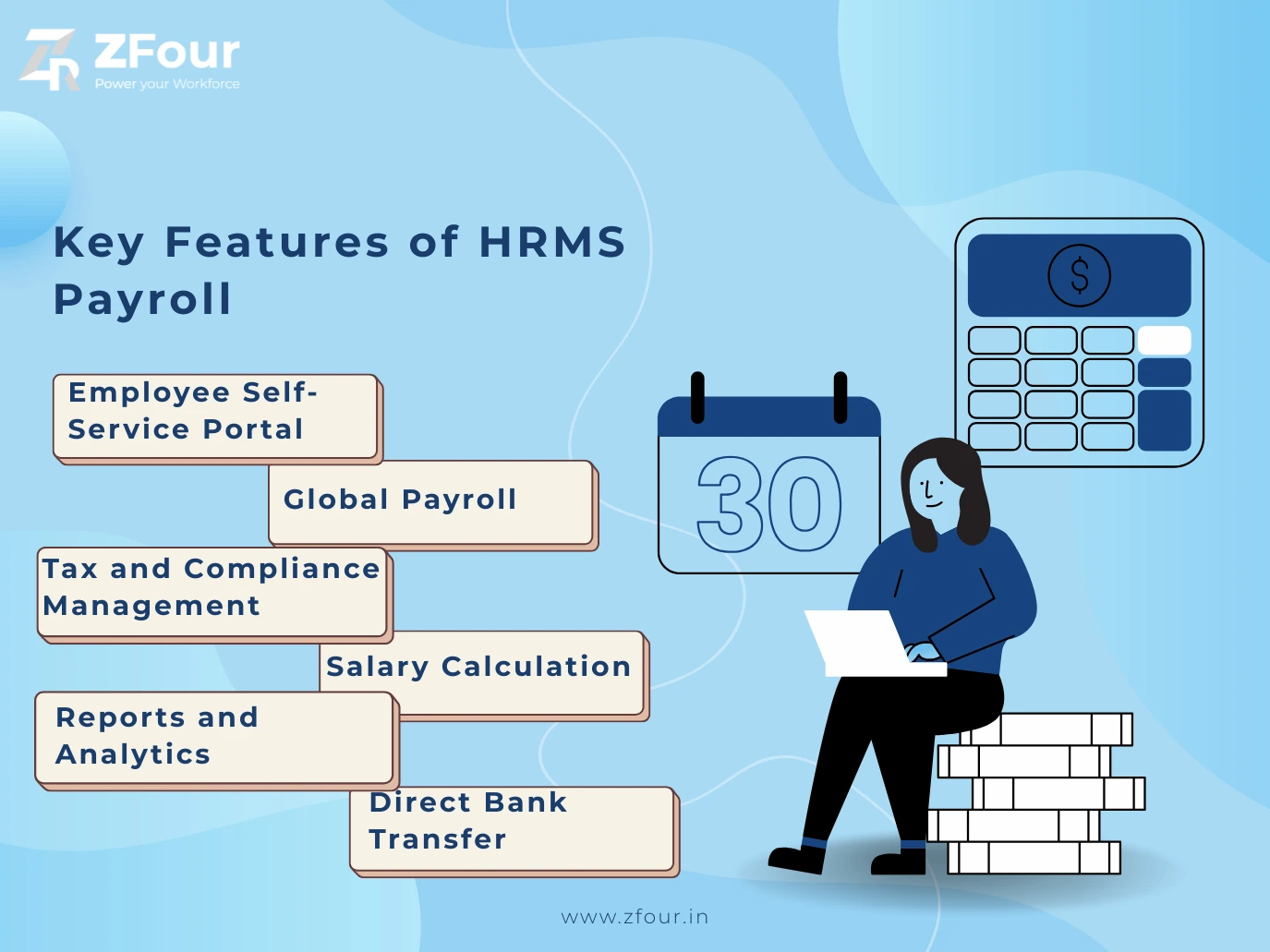
Key Features of HRMS Payroll
A well-designed HRMS Payroll system includes various features to streamline payroll processing. Some of the key features include:
1. Salary Calculation
- Automatically calculates salaries based on working hours, overtime, bonuses, and deductions.
- Handles different pay structures, including monthly, weekly, and hourly wages.
2. Tax and Compliance Management
- Automatically deducts taxes, provident funds, and other statutory contributions.
- Ensures compliance with local labor laws and tax regulations.
3. Attendance and Leave Integration
- Syncs with attendance and leave management systems to calculate accurate payouts.
- Adjusts salaries based on absenteeism, leaves, and overtime.
4. Employee Self-Service Portal
- Allows employees to access their salary slips, tax forms, and leave balances.
- Enables employees to update personal details, reducing HR workload.
5. Direct Bank Transfer
- Facilitates seamless salary transfers to employees’ bank accounts.
- Ensures timely payroll disbursement, improving employee satisfaction.
6. Reports and Analytics
- Generates detailed payroll reports for auditing and compliance.
- Provides insights into salary trends, tax liabilities, and other payroll metrics.
7. Multi-Currency and Multi-Location Support
- Ideal for businesses with global operations, handling multiple currencies and tax laws.
- Ensures compliance with different country-specific labor laws.
Benefits of Implementing HRMS Payroll
Adopting an HRMS Payroll system offers numerous advantages for businesses, HR teams, and employees alike. Let’s explore some of the major benefits:
1. Time-Saving and Efficiency
- Automates repetitive tasks, reducing manual efforts.
- Speeds up payroll processing, ensuring timely salary payments.
2. Error Reduction
- Eliminates human errors in salary calculations, tax deductions, and benefits processing.
- Reduces compliance risks by automatically updating labor law changes.
3. Compliance and Legal Adherence
- Keeps track of tax regulations, ensuring timely and accurate tax payments.
- Generates compliance reports for audits and government submissions.
4. Employee Satisfaction
- Ensures timely and error-free salary payments.
- Provides transparency through self-service portals, reducing payroll queries.
5. Cost Savings
- Reduces administrative costs associated with manual payroll processing.
- Minimizes penalties due to payroll errors or non-compliance.
6. Scalability
- Suitable for businesses of all sizes, from startups to large enterprises.
- Easily adapts to a growing workforce and changing payroll structures.
How to Choose the Right HRMS Payroll System
With various HRMS Payroll solutions available in the market, selecting the right one for your business can be overwhelming. Here are some key factors to consider:
1. Business Size and Requirements
- Choose a solution that aligns with your company’s workforce size and payroll complexities.
- Consider whether you need multi-location or multi-currency support.
2. Integration Capabilities
- Ensure the system integrates seamlessly with existing HR, accounting, and attendance management software.
- Look for cloud-based solutions for easy accessibility and real-time data updates.
3. User-Friendly Interface
- Opt for software with an intuitive interface that requires minimal training.
- Check for mobile-friendly features for easy access on the go.
4. Compliance and Security
- Ensure the software complies with local labor laws and tax regulations.
- Look for data security features like encryption and multi-factor authentication.
5. Customization and Scalability
- Choose a flexible solution that can be customized to meet your specific payroll policies.
- Consider future scalability to accommodate business growth.
6. Cost and ROI
- Compare pricing models, including subscription-based and one-time payment options.
- Evaluate the return on investment (ROI) by considering time and cost savings.
Top HRMS Payroll Software in 2024
Here are some of the best HRMS Payroll solutions available today:
- Workday Payroll – Best for large enterprises.
- ADP Workforce Now – Ideal for small to medium-sized businesses.
- Gusto – Best for startups and growing businesses.
- SAP SuccessFactors – Comprehensive HR and payroll solution.
- Zenefits – Affordable and easy to use.
- BambooHR – Great for HR and payroll integration.
- Paychex – Best for tax compliance and automation.
Conclusion
HRMS Payroll is a game-changer for businesses looking to simplify payroll processing, reduce errors, and ensure compliance with labor laws. By automating salary calculations, tax deductions, and benefits administration, HRMS Payroll not only saves time but also improves employee satisfaction and overall efficiency.
When selecting an HRMS Payroll solution, consider factors like business size, integration capabilities, compliance support, and scalability to make an informed decision. With the right system in place, your business can streamline payroll management and focus on strategic HR initiatives.