Smart HRMS System: Driving Workforce Excellence Through Data Mastery

Effective Human Resource Management (HRM) is essential for organizations aiming to thrive in a competitive business environment.
A modern HRMS (Human Resource Management System) dashboard has become a critical tool for HR professionals, offering more than just operational support.
It enables HR teams to manage workforce processes efficiently, providing real-time data insights that drive decision-making and performance.
This blog explores the numerous benefits, key features, and functionalities of an HRMS dashboard and its role in transforming HR management.
What is Smart HRMS System?
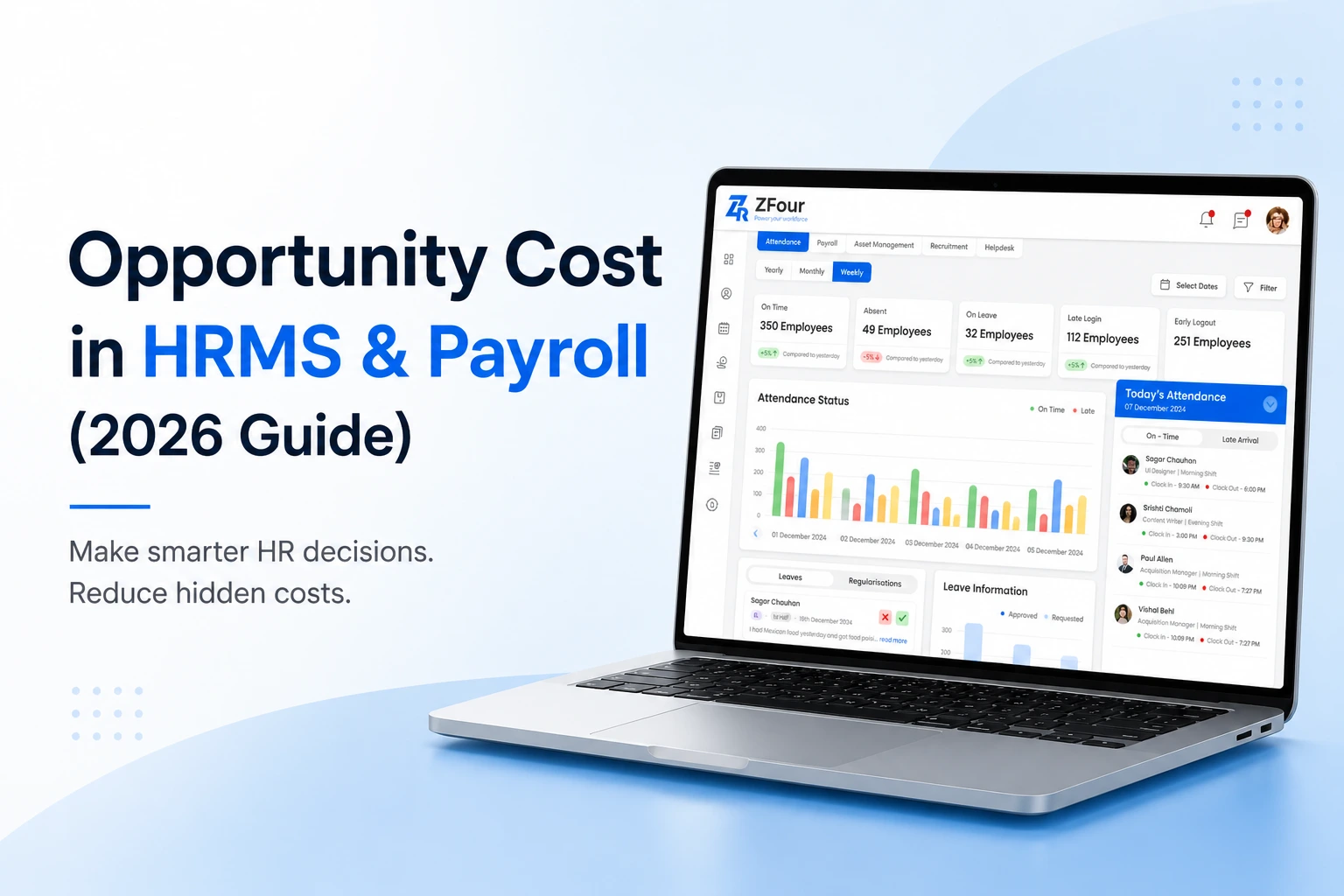
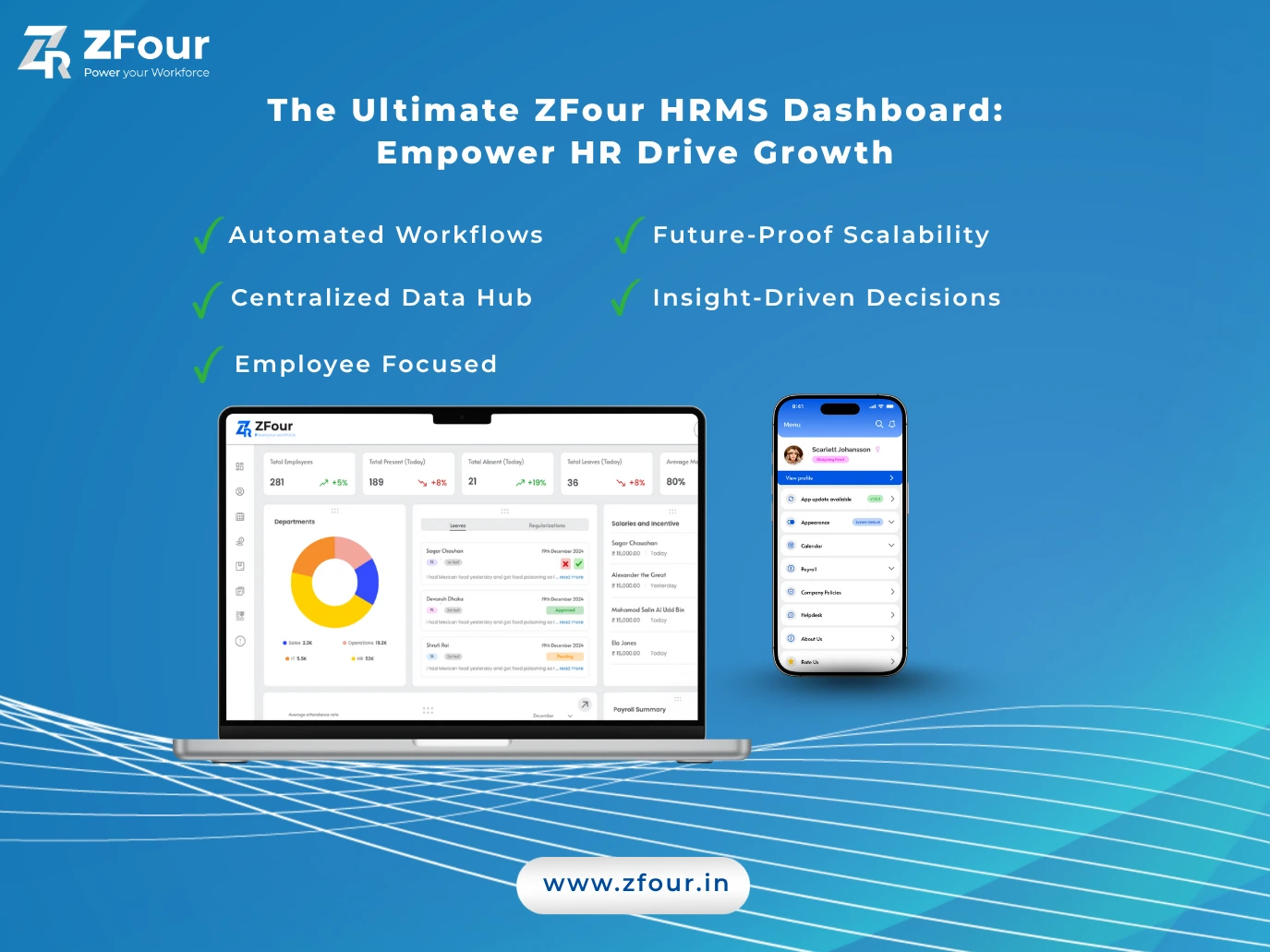
An HRMS dashboard within a Smart HRMS System is an integrated, real-time data visualization tool that provides HR professionals with insights into key HR functions such as payroll, attendance, performance, recruitment, and employee engagement. By centralizing data into one easily accessible interface, the Smart HRMS System dashboard offers a comprehensive overview of the organization’s HR operations while enabling faster, data-driven decision-making.
The dashboard typically features graphs, charts, and performance indicators that help HR managers and business leaders make data-backed decisions. These dashboards are customizable and can be tailored to display the most relevant data for each user role, ensuring that HR teams focus on what matters most.
Why is an HRMS Dashboard Important?
1. Real-Time Insights:-
An HRMS dashboard provides real-time HR analytics by consolidating data from various HR functions, such as leave management, attendance tracking, and payroll processing. This enables HR professionals to monitor daily activities and trends across departments, identifying potential issues before they escalate. Whether it’s checking employee attendance or understanding payroll discrepancies, HR managers have instant access to critical information.
2. Improved Decision-Making:-
By using data visualization tools like pie charts, bar graphs, and heat maps, HR teams can quickly analyze trends and make informed decisions. Whether it’s identifying patterns in employee performance, forecasting hiring needs, or planning training sessions, the data-driven insights provided by an HRMS dashboard can enhance decision-making processes.
3. Enhanced Employee Engagement:-
An employee engagement dashboard can display real-time data on employee performance, feedback, and surveys. With this information, HR managers can quickly identify high performers, areas for improvement, and engagement issues, ensuring that the workforce remains motivated and productive. Regular feedback can also help address any grievances early on, fostering a positive work culture.
4. Streamlined HR Operations:-
Managing multiple HR tasks can be overwhelming. From recruitment management to benefits administration, HR professionals have to juggle a variety of responsibilities. An HRMS dashboard centralizes these functions, helping to automate routine tasks like attendance tracking and leave approvals, thus allowing HR teams to focus on strategic initiatives.
5. Compliance and Reporting:-
HRMS dashboards also assist in ensuring regulatory compliance. By tracking key HR metrics, including employee leave balances, payroll information, and training hours, organizations can maintain compliance with labor laws and internal policies. Additionally, the dashboard can generate automated reports, saving HR teams hours spent on manual reporting.
Key Features of an HRMS Dashboard
1. Employee Performance Tracking:-
Performance management is at the heart of every successful HR operation. An HRMS dashboard provides detailed employee performance data, enabling managers to track KPIs, employee appraisals, and goal completion status. This leads to better talent management and can help in crafting personalized training and development programs.
2. Attendance and Leave Management:-
Effective attendance management is crucial for reducing absenteeism and ensuring accurate payroll. With a robust HRMS dashboard, HR teams can easily track employee attendance, leave balances, and shift patterns. Real-time reports on attendance and absenteeism help managers address issues proactively and ensure fair and accurate payroll processing.
3. Payroll Insights:-
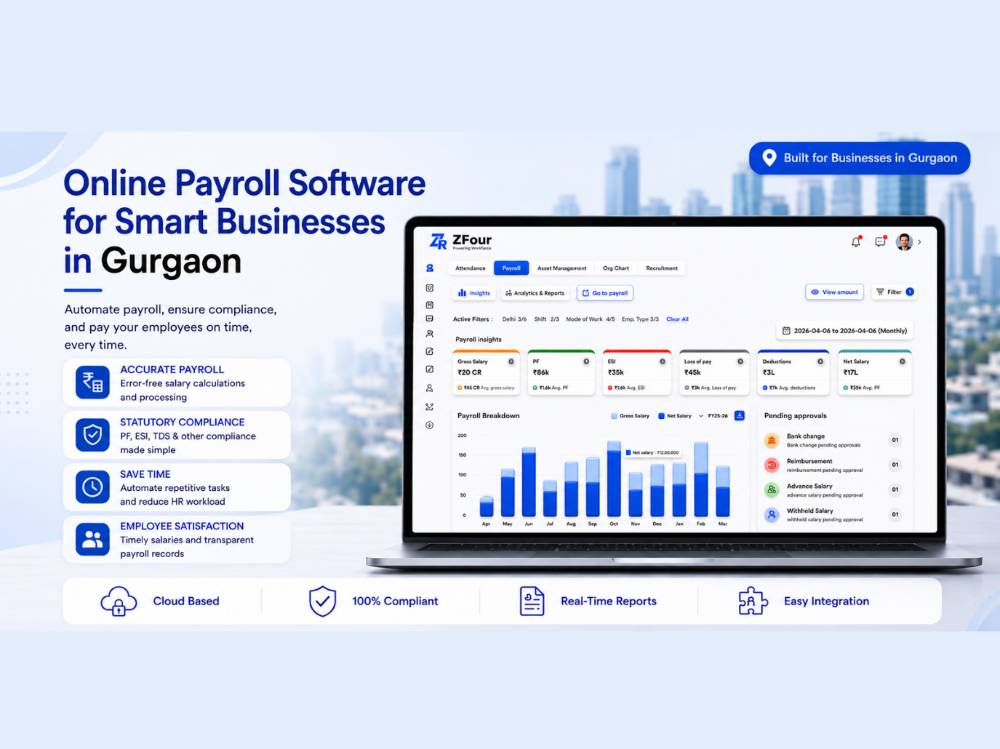
The payroll dashboard within an HRMS provides a comprehensive overview of salary distribution, deductions, bonuses, and overtime payments. By having all payroll information in one place, HR professionals can identify any discrepancies, ensure accuracy, and improve transparency within the organization.
4. Recruitment and Onboarding Management:-
Managing the hiring process efficiently is another benefit of an HRMS dashboard. The recruitment dashboard shows live updates on job applicants, interview schedules, and new hires, making the process more organized. Additionally, the onboarding dashboard tracks employee onboarding progress, helping HR teams ensure that new hires are smoothly integrated into the organization.
5. Data Security and Privacy:-
An HRMS dashboard must ensure the security and confidentiality of sensitive employee data. With role-based access control (RBAC), the dashboard restricts data access based on the user’s role, ensuring that only authorized personnel can view sensitive information. This enhances data privacy and helps organizations comply with GDPR and other privacy laws.
Conclusion
In conclusion, an HRMS dashboard is an indispensable tool for modern businesses looking to optimize their human resources processes.
With features like employee performance tracking, payroll insights, attendance management, and recruitment tracking, HR teams can streamline operations, enhance productivity, and make more informed decisions.
By centralizing critical HR functions and providing real-time insights, HRMS dashboards empower HR professionals to be more strategic in their roles.
Whether you're managing a small team or overseeing a large enterprise, an HRMS dashboard is the ultimate tool to ensure that your HR operations are running efficiently and in alignment with organizational goals.
About ZFour HRMS
ZFour HRMS is a comprehensive and cutting-edge Human Resource Management System designed to help organizations efficiently manage their HR processes.
With a focus on automation and data-driven insights, ZFour streamlines HR tasks such as payroll processing, leave and attendance management, performance tracking, and employee engagement.
The system’s intuitive interface and powerful dashboard offer real-time visibility into key HR metrics, enabling businesses to make informed decisions quickly.
ZFour HRMS is highly customizable, adaptable to any organization size, and offers both cloud-based and mobile solutions, making HR management seamless, efficient, and secure.
With modules tailored for recruitment, onboarding, and employee self-service, ZFour helps companies optimize their workforce and ensure regulatory compliance.
With ZFour HRMS, organizations can focus on growing their business while the platform takes care of the critical HR operations.