Payroll Taxes in India 2026: PF, ESIC & Employer Guide
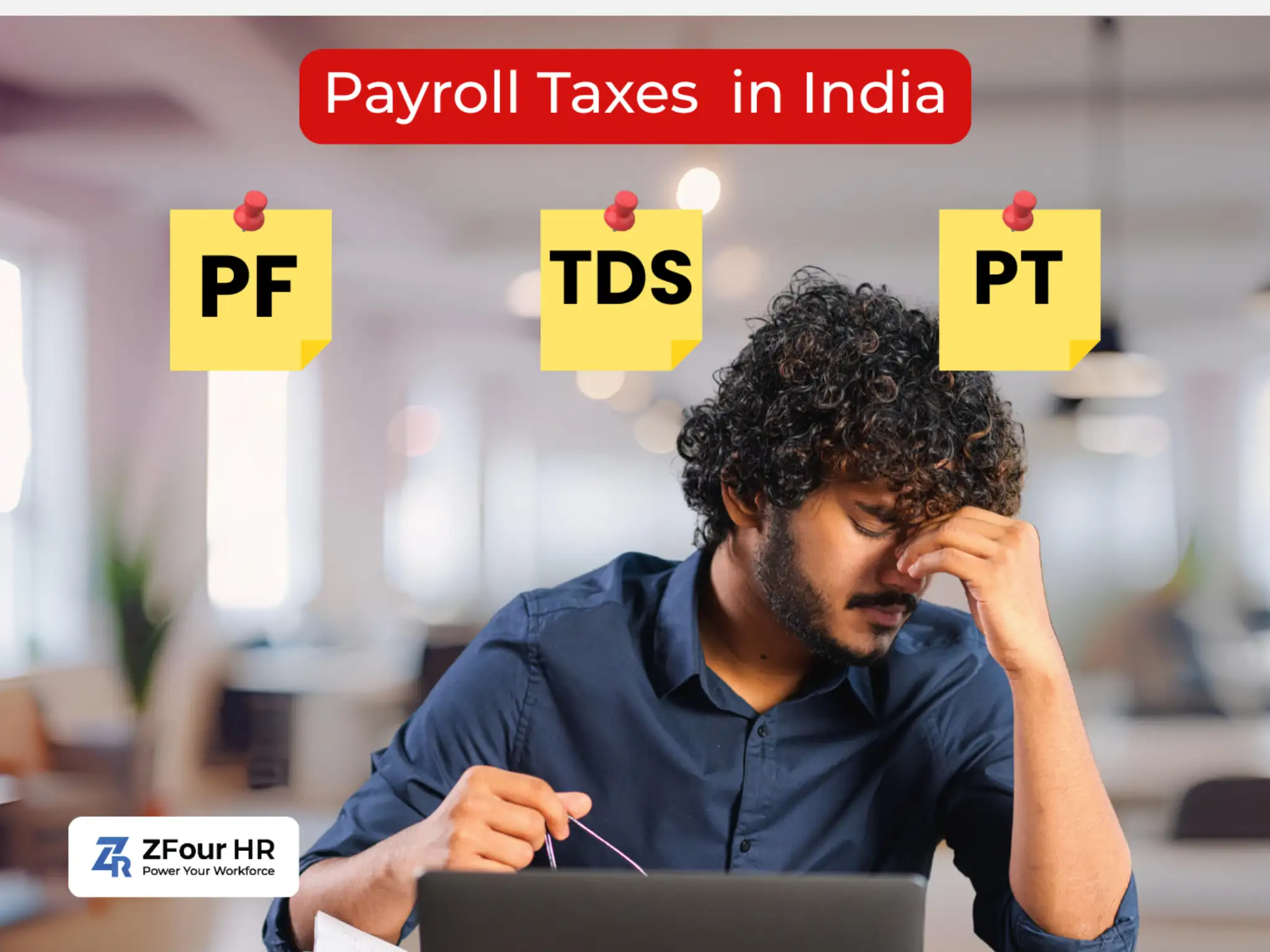
Payroll taxes in India are the statutory deductions and contributions that employers must calculate and deposit while processing employee salaries.
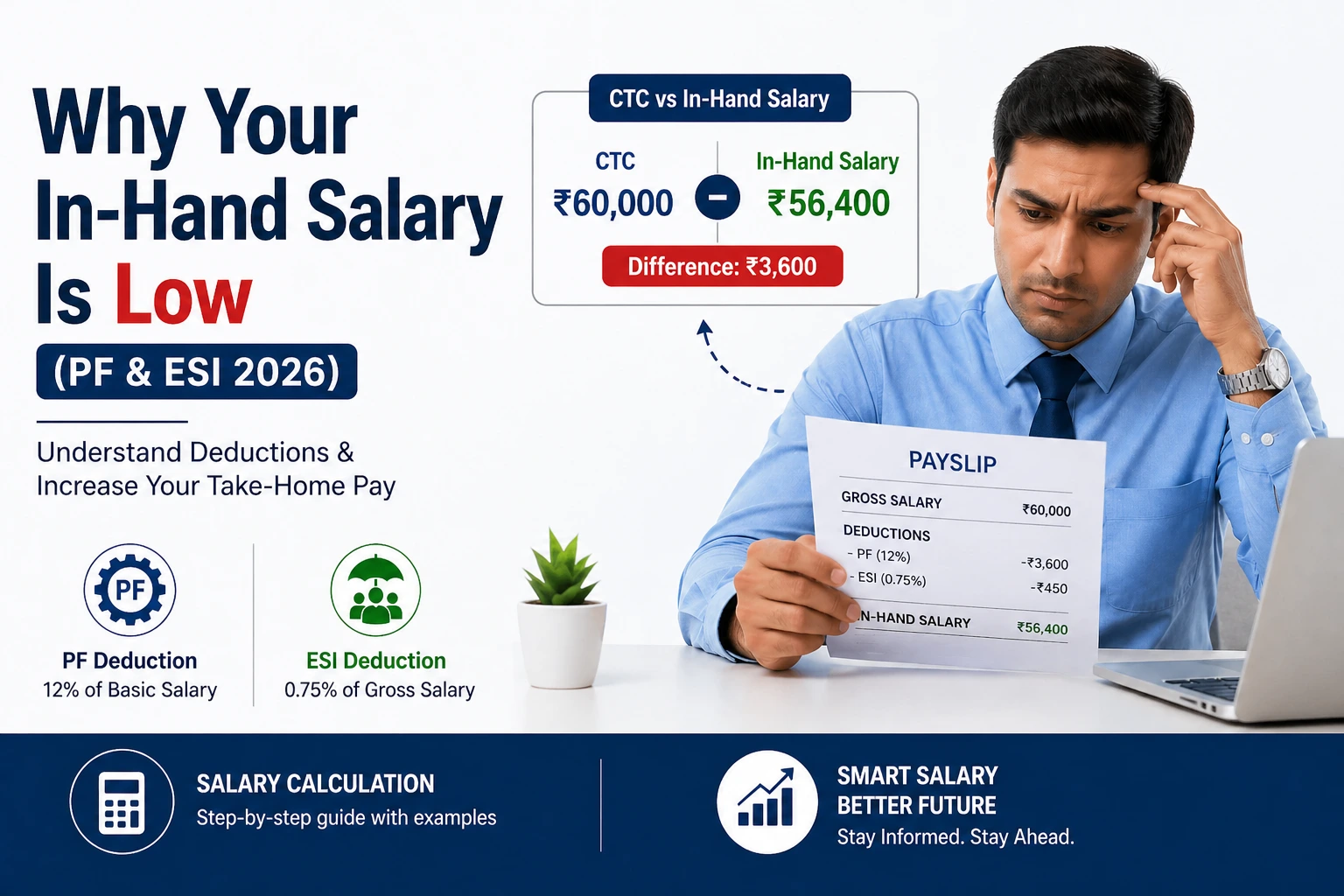
These taxes include Provident Fund (PF), ESIC, Professional Tax (PT), Tax Deducted at Source (TDS), and other labour law contributions. Understanding payroll taxes in India is important for every employer because non-compliance can lead to penalties, notices, and legal issues.
In 2026, payroll compliance has become more strict due to digital reporting, labour law updates, and government monitoring systems. Employers must ensure that all payroll taxes in India are calculated correctly and deposited within the due date.
Companies that still use manual payroll often face errors in PF calculation, ESIC deduction, and TDS filing. Because of this, many organizations are shifting to payroll software and HRMS solutions to manage employer taxes without mistakes.
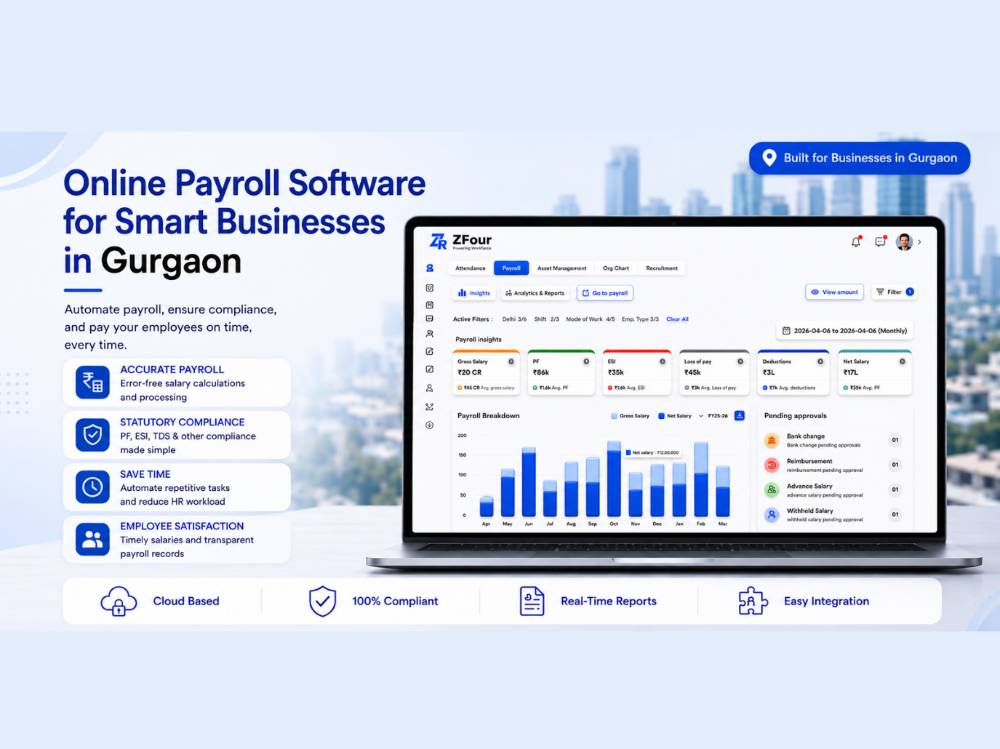
For companies looking to automate salary processing, using a proper payroll system such as this helps reduce compliance risks.
Types of Payroll Taxes in India Every Employer Should Know

Payroll taxes in India include both employer contributions and employee deductions. These taxes are governed by different laws such as the EPF Act, ESIC Act, Income Tax Act, and State Professional Tax rules.
The main payroll taxes in India are:
- Provident Fund (PF)
- ESIC contribution
- Tax Deducted at Source (TDS)
- Professional Tax (PT)
- Labour welfare fund (in some states)
Each of these taxes must be calculated every month while processing payroll.
Employers must also maintain salary records, pay slips, and compliance reports.
Payroll Taxes in India: PF, ESIC, TDS and Professional Tax Explained
Below is a table explaining payroll taxes in India and employer responsibilities.
Tax | Employer Contribution | Employee Contribution | Due Date | Law |
PF | 12% | 12% | 15th of next month | EPF Act 1952 |
ESIC | 3.25% | 0.75% | 15th of next month | ESIC Act 1948 |
TDS | As per slab | Yes | Monthly | Income Tax Act |
PT | State rule | Yes | Monthly | State law |
LWF | State rule | State rule | Half yearly | State law |
These payroll taxes in India must be deposited through government portals.
Incorrect calculation of payroll taxes in India may result in penalties under PF, ESIC, and income tax rules.
Employer Taxes and Payroll Compliance Rules in India 2026
Employer taxes in India are not limited to salary payments. Employers must also comply with labour laws, PF rules, and tax regulations. Payroll compliance in India requires the following:
- PF registration if employee count ≥ 20
- ESIC registration if employee salary ≤ limit
- Monthly TDS deduction
- Professional tax deduction
- Salary records maintenance
- Timely filing of returns
In 2026, the government is focusing more on digital compliance. Employers who fail to submit payroll data correctly may receive notices.
Companies handling large payrolls often use compliance services to manage employer taxes safely.
Each payroll tax in India has a due date. Missing due dates can result in penalties.
Tax | Due Date | Filing |
PF | 15th | Monthly |
ESIC | 15th | Monthly |
TDS | 7th / monthly | Monthly |
PT | Statewise | Monthly |
Return filing | yearly | yearly |
Employers must track these dates carefully.
Payroll software helps generate reminders and reports automatically.
Common Payroll Tax Mistakes Employers Make in India
Many companies receive notices due to mistakes in payroll taxes in India. Common errors include:
- Late PF payment
- Wrong ESIC calculation
- Missing TDS deduction
- Manual salary processing
- Incorrect basic salary structure
- No compliance tracking
Manual payroll increases the risk of errors, especially when the employee count grows.

How to Manage Payroll Taxes in India Without Errors?
To manage payroll taxes in India properly, employers should follow these steps:
- Maintain employee salary records
- Use a proper salary structure
- Track PF and ESIC limits
- Deduct TDS correctly
- Follow due dates
- Use payroll software
Companies using automated payroll systems face fewer compliance issues compared to manual processing.
Why Payroll Software Helps in Managing Payroll Taxes in India?
Payroll software is useful for handling employer taxes because it automates calculations and generates reports.
Benefits of payroll software:
- Automatic PF calculation
- ESIC deduction
- TDS calculation
- Payslip generation
- Compliance report
- Due date reminder
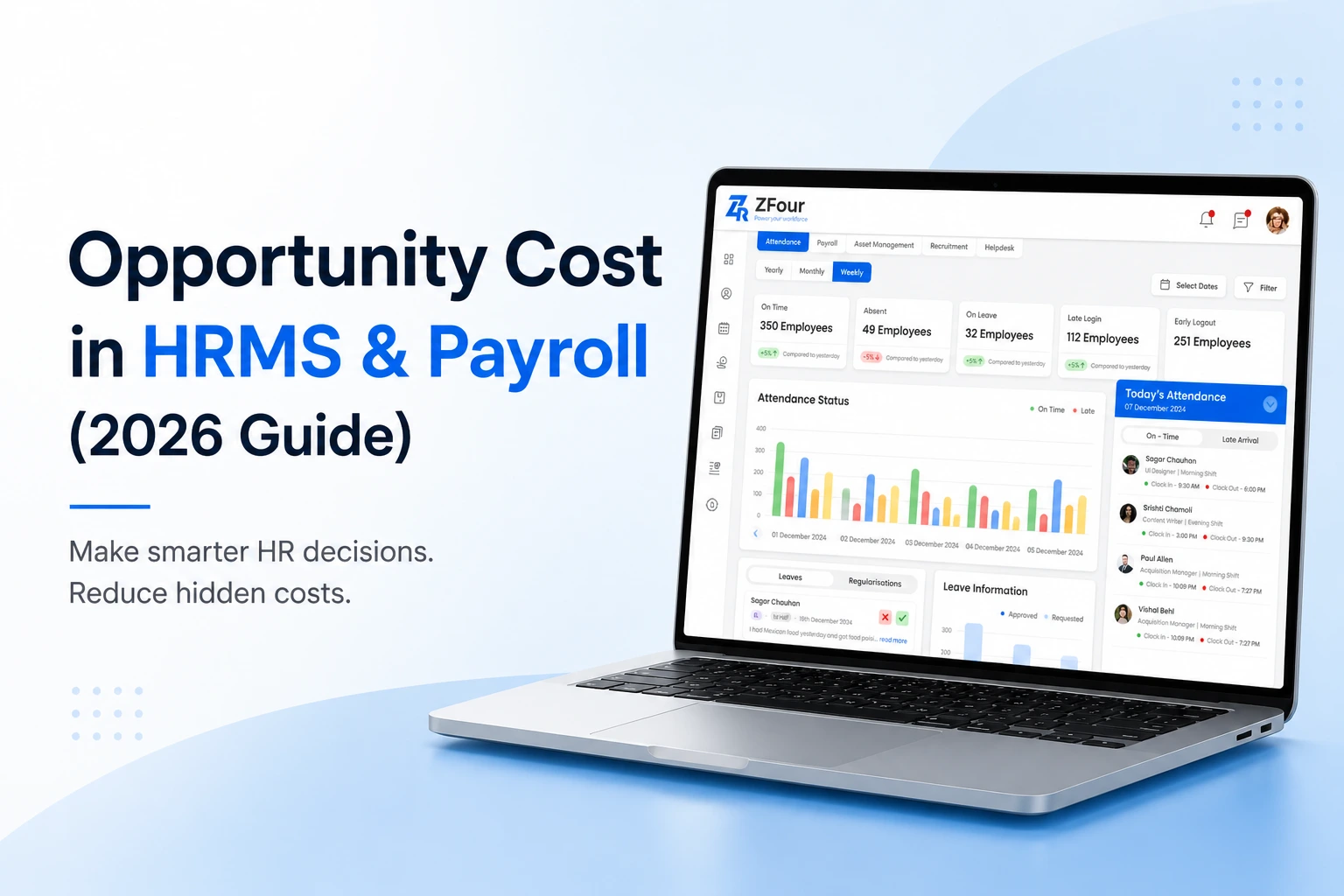
Businesses using HRMS can manage payroll taxes in India more accurately.
Payroll Taxes in India 2026 Latest Updates Employers Should Know
In 2026, payroll compliance has become stricter due to:
- Online PF reporting
- ESIC digital filing
- Income tax verification
- Labour code updates
- Salary structure rules
Employers must ensure that payroll taxes in India are calculated based on updated laws.
Companies that fail to follow rules may face the following:
- penalty
- interest
- notice
- inspection
- legal action
Because of these risks, many organizations prefer automated payroll systems.
How ZFour Helps Companies Manage Payroll Taxes in India?
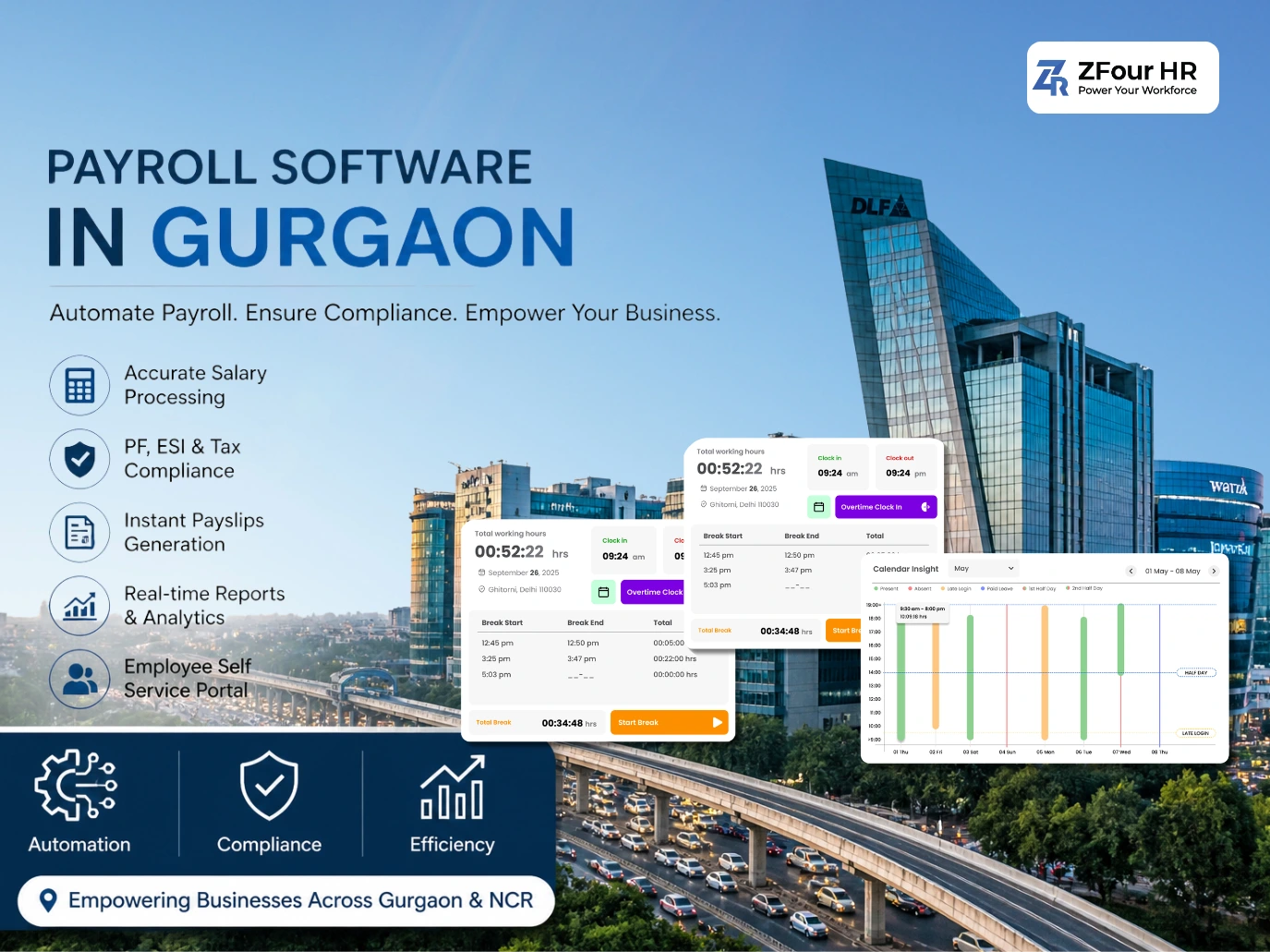
Managing payroll taxes in India manually can be difficult, especially for growing companies. ZFour provides payroll and compliance solutions that help businesses manage employer taxes without errors.
With the ZFour payroll system, companies can:
- automate PF & ESIC calculation
- generate payslips
- track compliance
- manage salary records
- avoid penalties
- handle payroll easily
To know more about payroll, compliance services, or HRMS solutions, you can explore ZFour payroll and HRMS services or request a demo to understand how automated payroll helps in managing PF, ESIC, and payroll taxes in India.
Using a proper payroll solution helps employers stay compliant and reduces the chances of government notices.
Conclusion: Payroll Taxes in India for Employers
Payroll taxes in India are an important part of salary processing. Employers must calculate PF, ESIC, TDS, and other deductions correctly to avoid penalties.
In 2026, compliance rules are stricter, and manual payroll can lead to errors. Using payroll software or HRMS makes it easier to manage employer taxes, maintain records, and follow government rules.
Understanding payroll taxes in India helps companies stay compliant, save time, and avoid legal problems.
Businesses that use proper payroll systems can handle employer taxes more efficiently and focus on growth.
Many growing companies prefer automated payroll systems instead of manual processing.
If you want to know more about payroll management, compliance services, or HRMS solutions, you can explore ZFour’s payroll and HRMS services or request a demo to understand how automated payroll can help your business stay compliant with PF, ESIC, and tax rules.