Mental Health & Wellness: zero in on employee well-being programs via HRMS
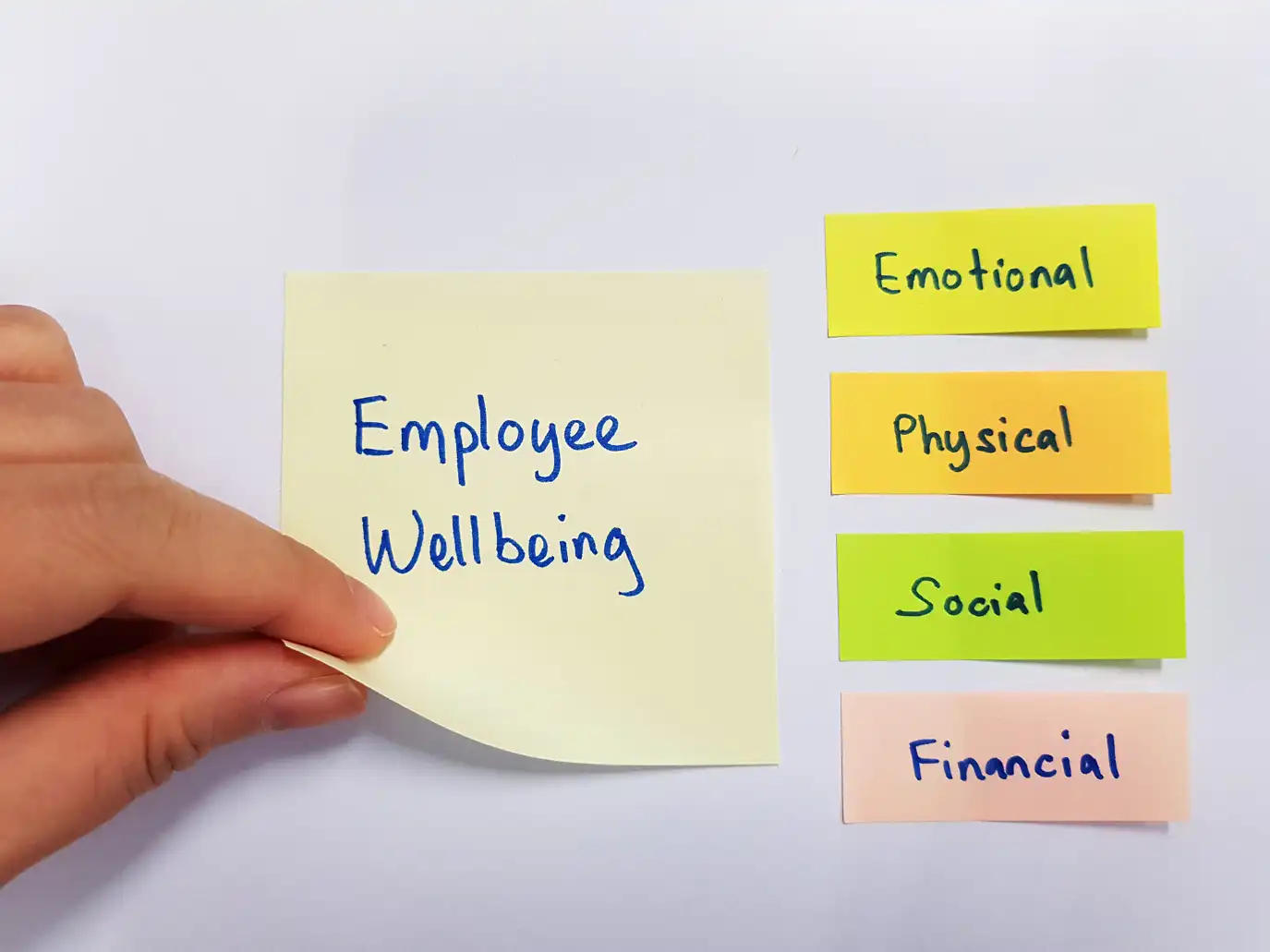
In the evolving corporate landscape, employee mental health and wellness have become central to organizational success.
The growing recognition that mental well-being directly impacts productivity, retention, and workplace culture has propelled companies to invest heavily in robust employee well-being programs.
Leveraging modern Human Resource Management Systems (HRMS), businesses now have powerful tools to design, implement, and monitor these programs with precision and care.
The Growing Importance of Mental Health in the Workplace
Work-related stress, burnout, anxiety, and depression are among the leading causes of reduced productivity and increased absenteeism worldwide.
The COVID-19 pandemic accelerated these challenges, revealing the urgency to prioritize mental health support at all organizational levels.
A workplace wellness program focused on mental health creates a supportive environment where employees feel valued, understood, and empowered to seek help.
This translates into better focus, higher morale, and stronger team collaboration.
How HRMS Enhances Mental Health and Employee Wellness Programs
Modern HRMS platforms have evolved beyond managing payroll and attendance — they are now strategic enablers of holistic employee wellbeing:
Centralized Program Management
HRMS provides a unified platform where HR teams can deploy mental health initiatives, track participation, and manage resources. This centralization simplifies communication and coordination across departments and geographies.
Confidential Support and Employee Assistance Programs (EAP)
Privacy is paramount when it comes to mental health. HRMS platforms incorporate secure, confidential channels that enable employees to access counseling, assessments, and self-help tools discreetly, reducing stigma and encouraging utilization.
Advanced Analytics & Reporting
Data is key to continuous improvement. HRMS analytics capture vital metrics such as program engagement, usage patterns, and outcomes. This intelligence allows organizations to refine wellness offerings and demonstrate ROI to leadership.
Seamless Integration with Health Benefits and Telehealth
Connecting HRMS with healthcare providers, insurance plans, and telehealth services expands the accessibility of mental health support, ensuring employees receive comprehensive care without barriers.
Engagement Automation
Personalized reminders, wellness challenges, and educational content can be automated through HRMS to keep mental health top of mind and foster a culture of continuous wellbeing.
Flexible Work Arrangements & Leave Management
HRMS facilitates policies like flexible hours, mental health days, and remote work options, enabling employees to balance personal needs with professional responsibilities.
Benefits of HRMS-Driven Mental Health Programs
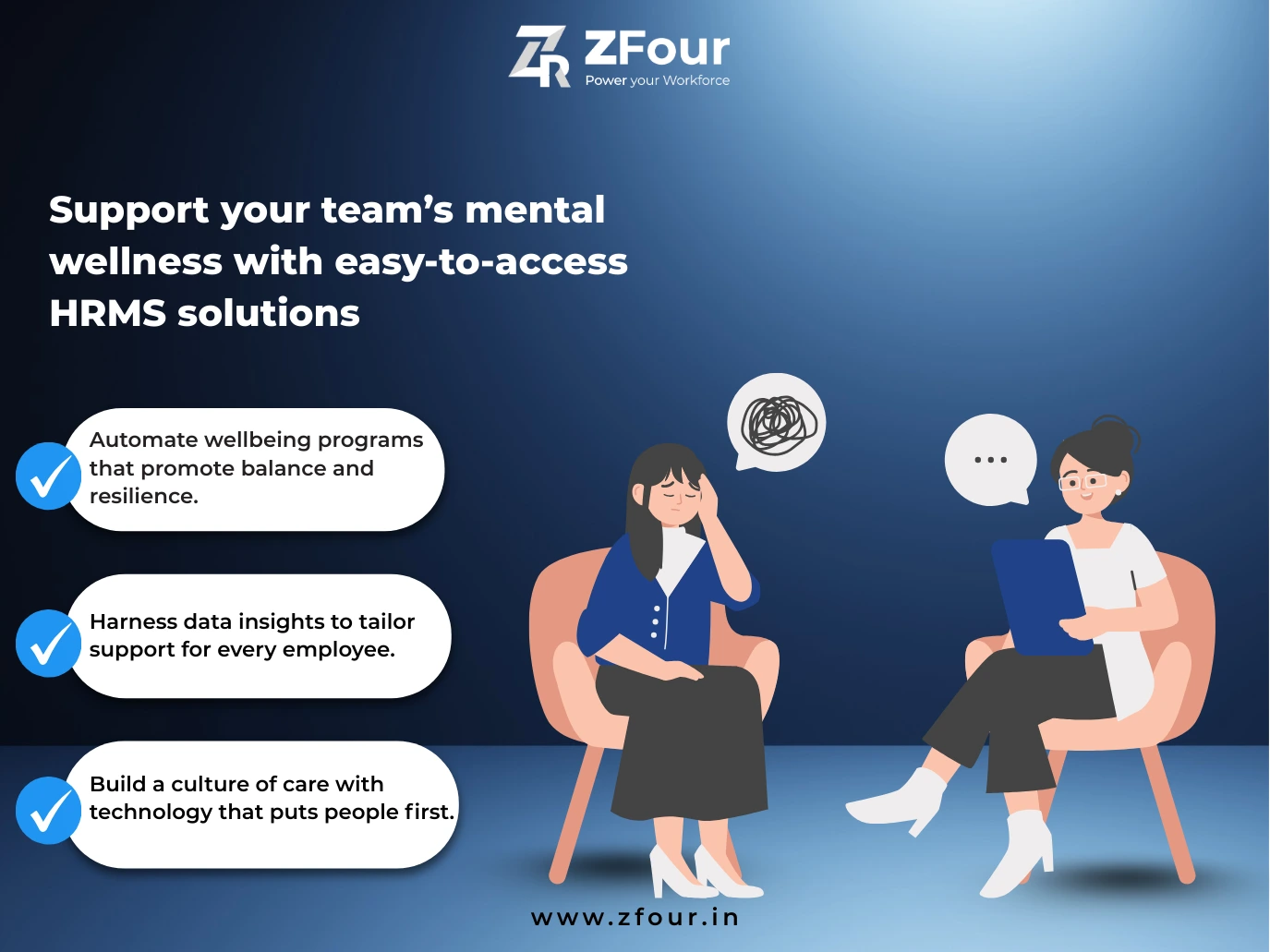
1. Breaking Down Stigma and Encouraging Help-Seeking
With confidential digital platforms, employees are more willing to access mental health resources, fostering early intervention and support.
2. Tailored and Data-Backed Wellness Programs
By analyzing usage trends and feedback, HR can customize programs to meet specific workforce needs, boosting effectiveness and satisfaction.
3. Boosted Employee Retention and Loyalty
Employees who feel cared for are more likely to stay engaged and committed, reducing costly turnover and strengthening company culture.
4. Regulatory Compliance and Risk Mitigation
HRMS helps track mental health accommodations and leave policies in compliance with labor laws, reducing legal risks.
5. Holistic Wellbeing Ecosystem
Integration with physical health benefits and wellness programs supports total employee health, amplifying overall impact.
Best Practices to Maximize HRMS for Mental Health
- Conduct Regular Wellbeing Assessments: Use HRMS surveys and polls to gauge employee mental health and program effectiveness.
- Promote Inclusive Leadership: Train managers to recognize signs of mental distress and to respond with empathy.
- Provide Multi-Channel Support: Combine digital tools, telehealth, workshops, and peer support for comprehensive care.
- Communicate Transparently: Regularly share resources, success stories, and updates to normalize mental health discussions.
- Ensure Data Privacy: Maintain robust security to protect employee information and build trust.
- Encourage Continuous Learning: Offer mental wellness education as part of ongoing development programs.Additional Ways HRMS Supports Mental Health Initiatives Learning & Development IntegrationHRMS can integrate mental health education into employee learning portals, offering:Stress management coursesEmotional intelligence trainingLeadership programs with mental health modules Recognition & RewardsMental wellness improves when employees feel valued. HRMS recognition features enable:Instant peer-to-peer appreciationMental health champion awardsPublic recognition for participation in wellness initiatives
- Stress management courses
- Emotional intelligence training
- Leadership programs with mental health modules
- Instant peer-to-peer appreciation
- Mental health champion awards
- Public recognition for participation in wellness initiatives
Community Building
HRMS tools such as forums, chat rooms, and virtual communities help employees:
- Connect over shared wellness goals
- Support each other in mental health journeys
- Share stories and resources in a safe environment
Conclusion: A Strategic Imperative for Modern Organizations
Mental health and wellness are no longer optional extras — they are essential pillars of a thriving, resilient workforce.
By integrating employee wellbeing programs into an advanced HRMS, organizations create scalable, data-driven, and confidential support systems that enhance employee quality of life and business performance.
Investing in these digital mental health tools positions companies to attract top talent, reduce absenteeism, and foster an engaged workplace culture where every employee can perform at their best.
The future of work demands it — and with HRMS, it’s achievable.