Latest Trends in HR: How Businesses Are Shaping the Future of Work
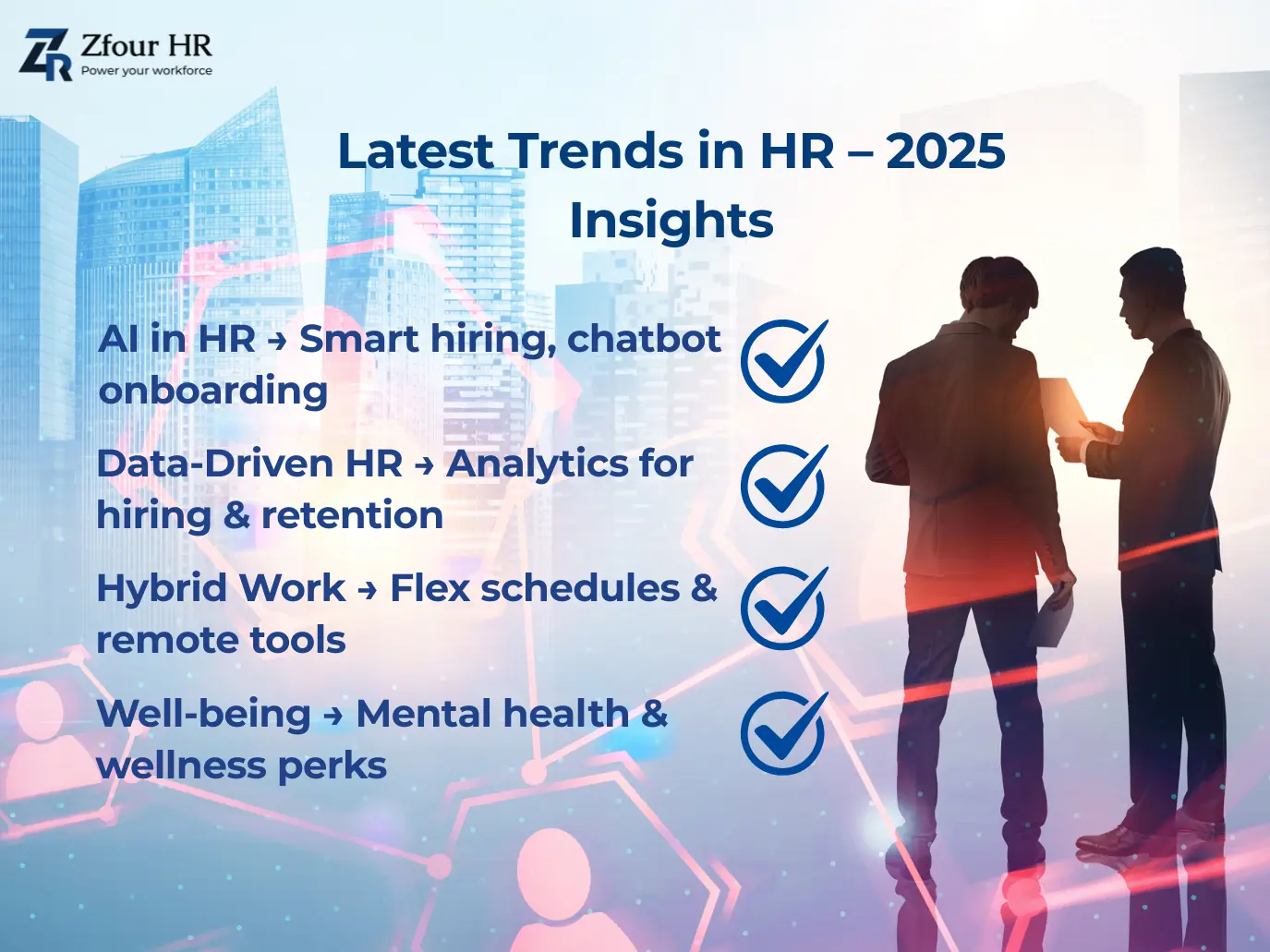
The role of Human Resources has transformed dramatically in recent years.
From tech-driven recruitment to AI-powered analytics, the 'latest trends in HR' are redefining how companies manage, support, and engage their employees.
Businesses that adopt these innovations are not only enhancing efficiency but also fostering workplaces where employees thrive.
Top Challenges in Adopting the Latest Trends in HR
While the latest trends in HR offer exciting opportunities, implementing them isn’t always simple.
Organizations often face budget constraints, resistance to change, and skill gaps when adopting new tools or processes.
For example, integrating AI into recruitment requires both investment in technology and training for HR teams.
Similarly, shifting to remote or hybrid work demands robust communication strategies and updated policies.
Understanding these challenges helps businesses create realistic action plans, ensuring that trends bring real value instead of disruption.
1. AI-Driven Recruitment
Artificial Intelligence in hiring is helping HR teams quickly screen resumes, match candidates to roles, and even conduct preliminary interviews.
This improves accuracy, saves time, and reduces bias in hiring decisions.
Read how ZFour HRMS uses AI to streamline hiring.
According to LinkedIn Talent Solutions, AI is now used by 67% of recruiters worldwide.
2. Employee Experience as a Priority
Modern HR is shifting from process-driven to people-driven.
Companies are focusing on flexible work schedules, wellness programs, and personalized career growth plans to boost retention.
3. HR Automation for Efficiency
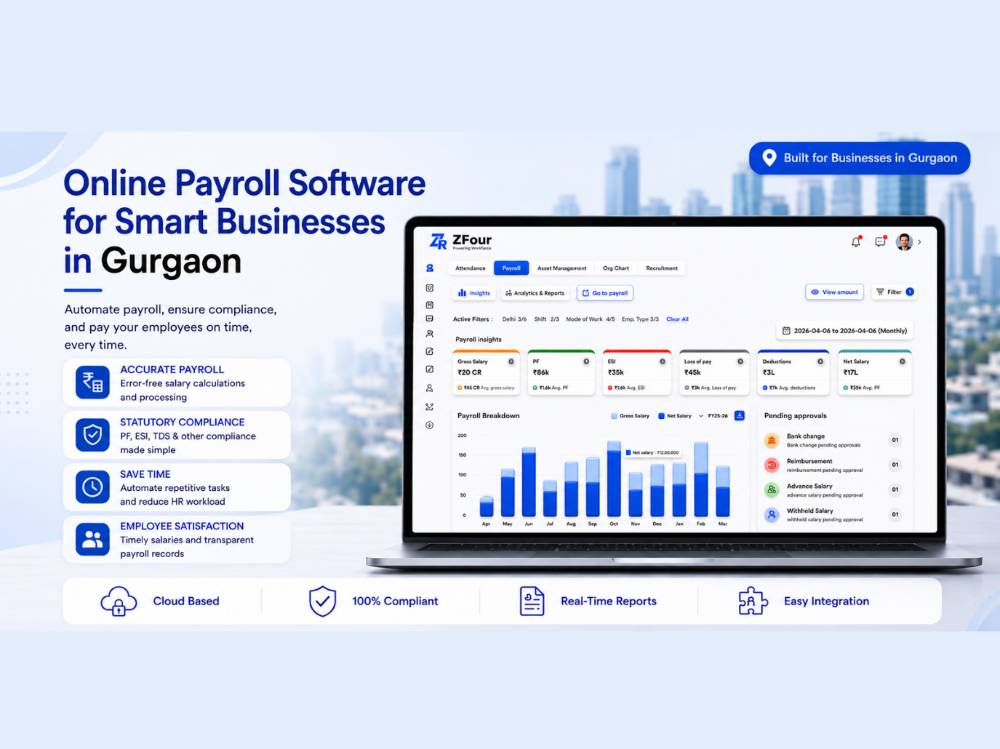
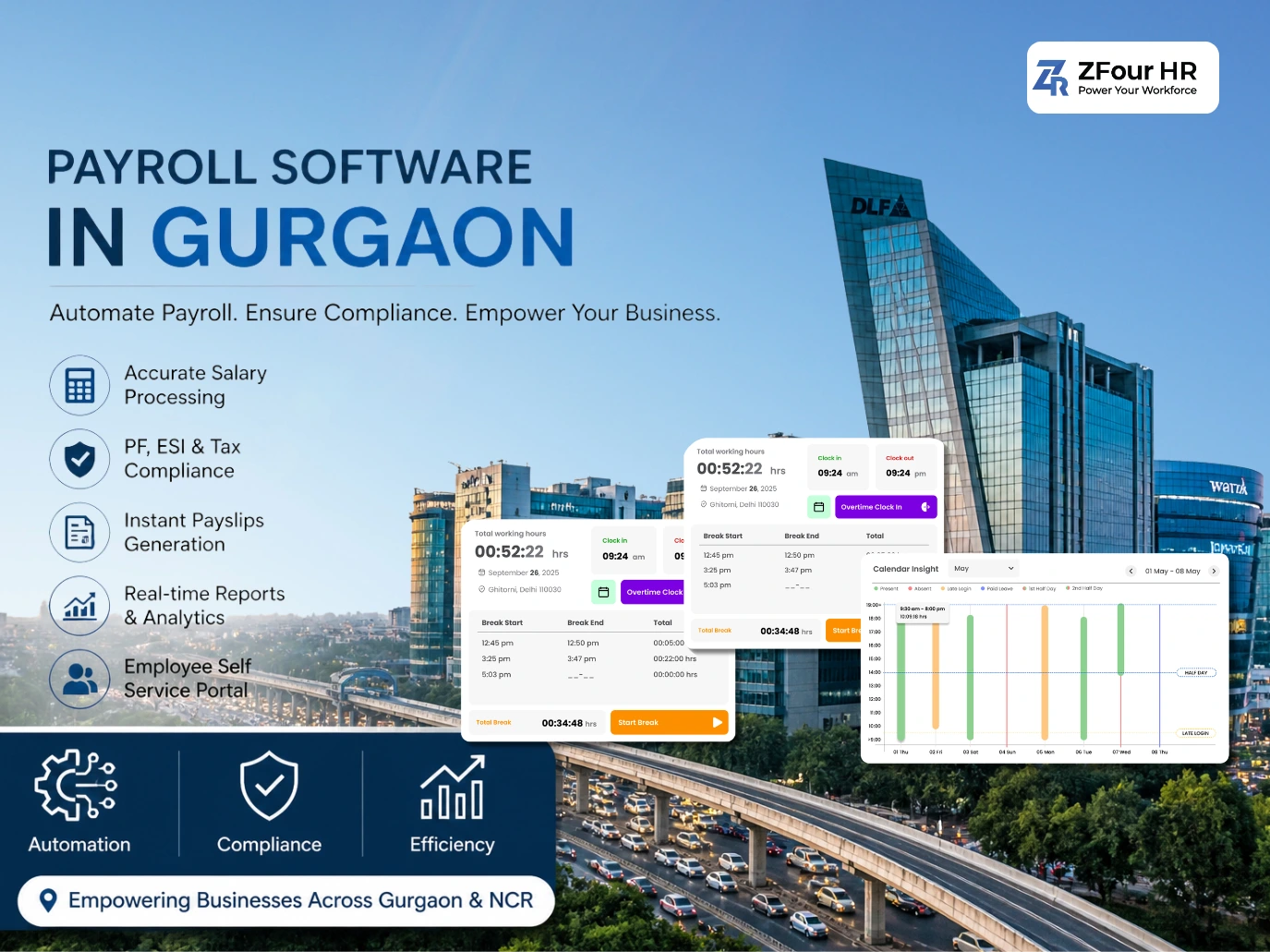
HR automation tools handle payroll processing, attendance tracking, and leave approvals without manual intervention, freeing HR professionals to focus on strategic planning.
4. Data-Driven HR Decisions
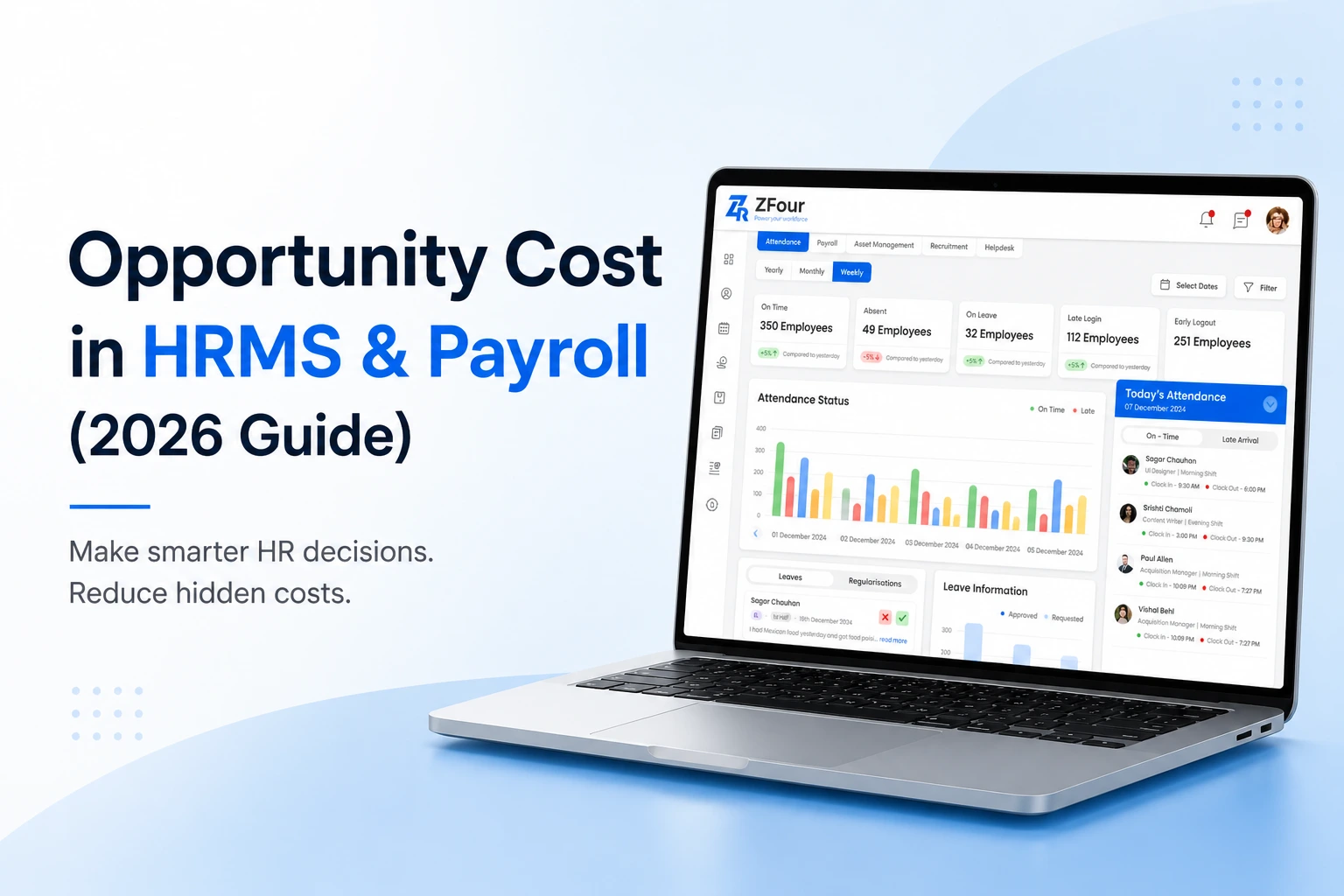
HR analytics allows organizations to monitor performance, predict attrition, and make data-backed workforce plans.
Explore how data-driven HR is impacting global companies in SHRM’s analytics insights.
5. Remote & Hybrid Work Solutions
With flexible work models here to stay, HR is adopting tools like geo-fencing, collaboration platforms, and virtual engagement activities to manage distributed teams effectively.
6. Continuous Learning & Upskilling
HR is investing in learning management systems (LMS) and skill development programs to prepare employees for future roles and technologies.
Conclusion
The latest trends in HR prove that the function is no longer just about managing policies — it’s about creating employee-centric, technology-enabled workplaces.
Companies that embrace AI, automation, and continuous learning will be the leaders in the future of work.
Ready to upgrade your HR operations?