India Labour Codes 2026: Impact on Salary, PF, ESI & Gratuity Explained
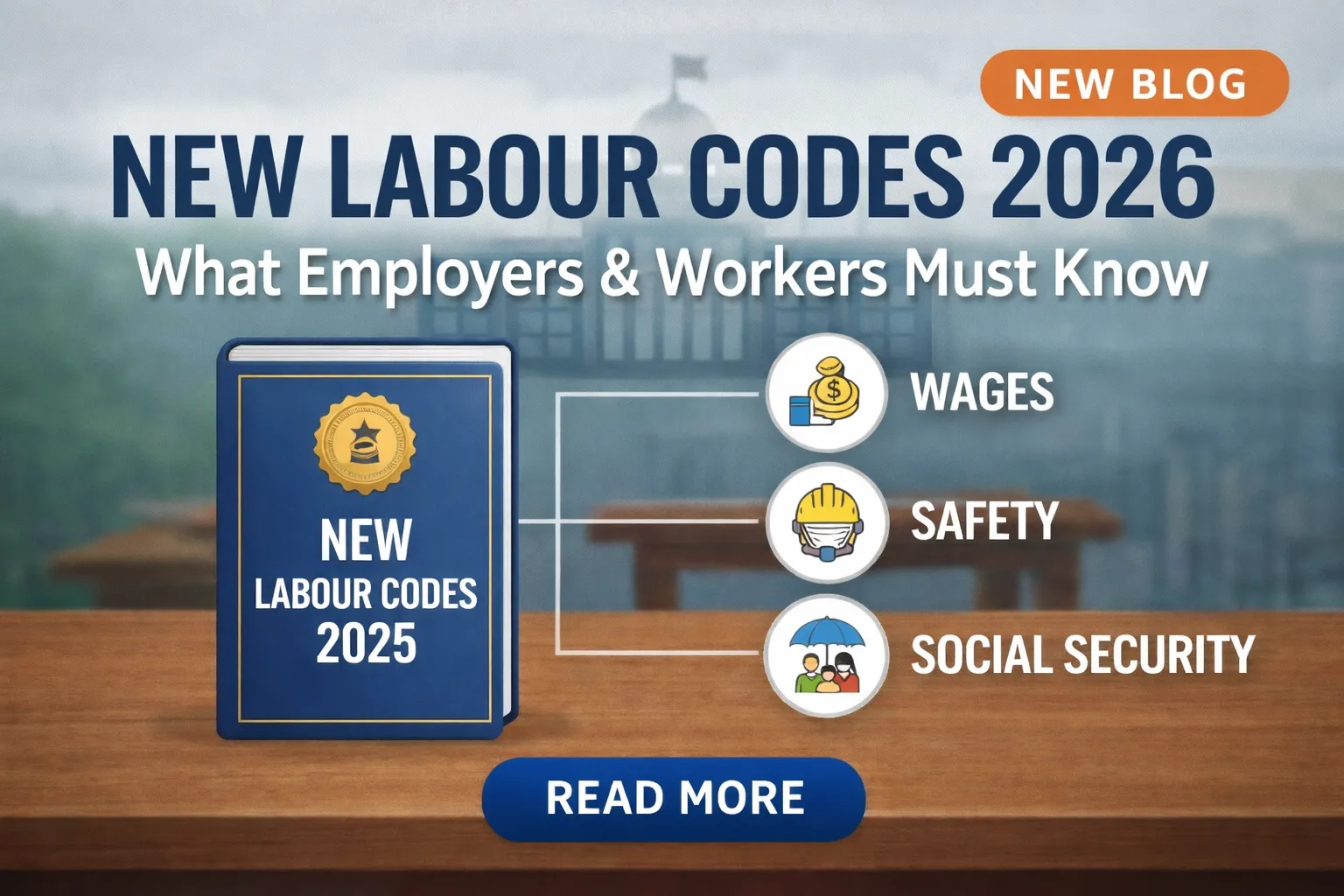
India’s labour reforms are one of the biggest structural changes in salary and compliance laws in recent years.
While many employees have heard about the “50% basic pay rule”, very few truly understand how it affects Provident Fund (PF), ESI contributions, gratuity payouts, and overall take-home salary.
If you are an HR professional, payroll executive, business owner, or even an employee trying to understand what changes in 2026 mean for you — this guide explains everything in simple terms.
The India Labour Codes 2026 impact on salary, PF, ESI, and gratuity is primarily driven by the new wage definition and the 50% basic pay rule.
Impact on Salary Structure Under India Labour Codes 2026
One of the biggest aspects of the India Labour Codes 2026 Impact on Salary PF ESI and Gratuity is the restructuring of salary components.
Employers can no longer keep basic pay artificially low while increasing allowances to reduce statutory contributions.
If the basic salary increases to meet the 50% rule:
- PF contribution increases
- Gratuity amount increases
- Bonus calculation base may change
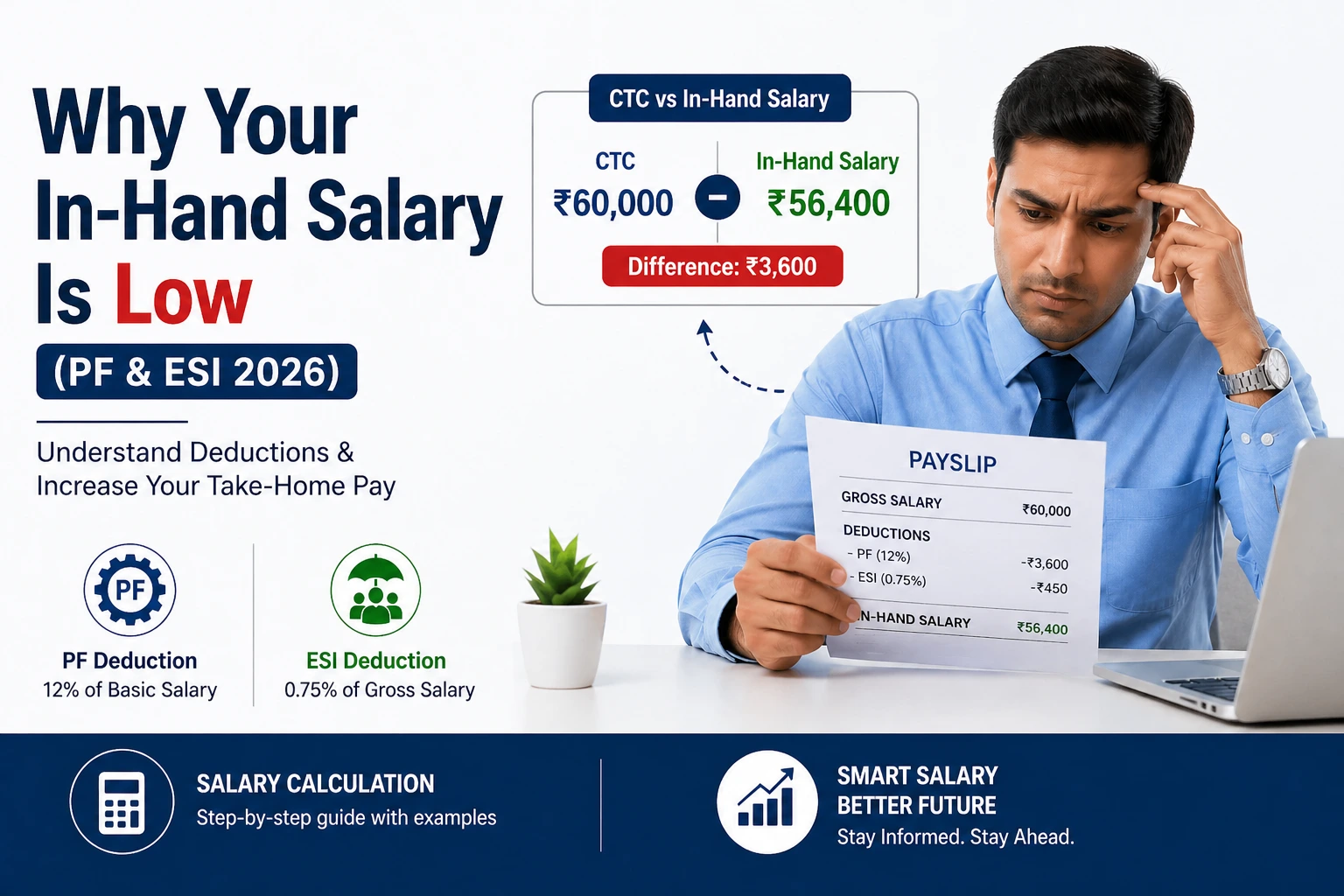
- Monthly in-hand salary may slightly reduce
This change promotes transparency and standardization in salary structures across industries.
Understanding the New Labour Codes
India consolidated 29 labour laws into four major codes:
- Code on Wages 2019
- Code on Social Security 2020
- Industrial Relations Code 2020
- Occupational Safety Health and Working Conditions Code 2020
The most impactful change for payroll teams comes from the new wage definition under the Code on Wages.
For official updates, refer to the Ministry of Labour & Employment
What Is the 50% Basic Pay Rule?
Under the new wage definition:
If allowances exceed 50% of total compensation, the excess amount will be added back to basic pay.
This restructuring does not necessarily increase total salary — it changes how salary components are structured.
Salary Structure Example (Before & After Labour Codes)
Let’s look at a simple example.
Before Labour Codes
Component | Amount (₹) |
Basic Pay | 15,000 |
HRA | 20,000 |
Special Allowance | 15,000 |
Total CTC | 50,000 |
Here, Basic Pay = 30% of CTC.
After 50% Rule Implementation
Component | Amount (₹) |
Basic Pay | 25,000 |
HRA | 15,000 |
Special Allowance | 10,000 |
Total CTC | 50,000 |
Now, Basic Pay = 50% of CTC.
Total CTC remains the same—but PF, ESI, and gratuity calculations change.
Impact on Provident Fund (PF)
PF is calculated on Basic + DA.
Current PF contribution rates (as per EPFO):
- Employee: 12%
- Employer: 12%
PF Comparison
Scenario | Basic Pay (₹) | Employee PF (12%) | Employer PF (12%) |
Before | 15,000 | 1,800 | 1,800 |
After | 25,000 | 3,000 | 3,000 |
What Changes?
- PF contribution increases
- Employer liability increases
- Employee take-home salary may slightly reduce
- Long-term retirement savings increase
Impact on ESI
Employees earning up to ₹21,000 per month are eligible for ESI.
Current contribution rates:
- Employee: 0.75%
- Employer: 3.25%
While rates remain unchanged, the new wage definition may alter contribution calculations depending on how salary components are structured.
Impact on Gratuity
Gratuity is calculated using:
Since basic pay increases under the 50% rule, the last drawn salary increases — leading to higher gratuity payouts.
Gratuity Comparison (5-Year Example)
Scenario | Last Drawn Salary (₹) | Years of Service | Gratuity (Approx ₹) |
Before | 15,000 | 5 | 43,269 |
After | 25,000 | 5 | 72,115 |
This is a major long-term benefit for employees.
How Take-Home Salary Is Affected
Because PF contribution increases:
- Monthly in-hand salary may reduce slightly
- But retirement corpus increases
- Gratuity payout increases
- Social security coverage improves
The reform focuses more on long-term financial security rather than immediate monthly gains.
What Employers & HR Teams Should Do
The implementation of India Labour Codes requires proactive planning.
Action Checklist:
✔ Review current salary structures
✔ Ensure Basic + DA ≥ 50% of CTC
✔ Recalculate PF and gratuity liabilities
✔ Update payroll software
✔ Communicate changes clearly to employees
✔ Stay updated on state-level implementation notifications
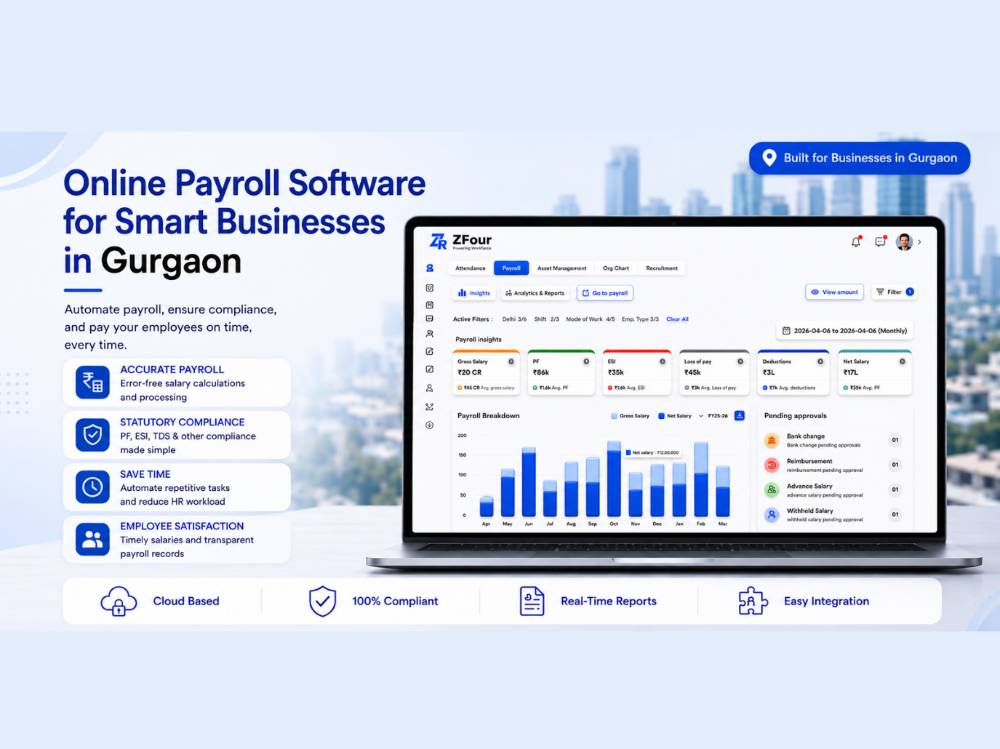
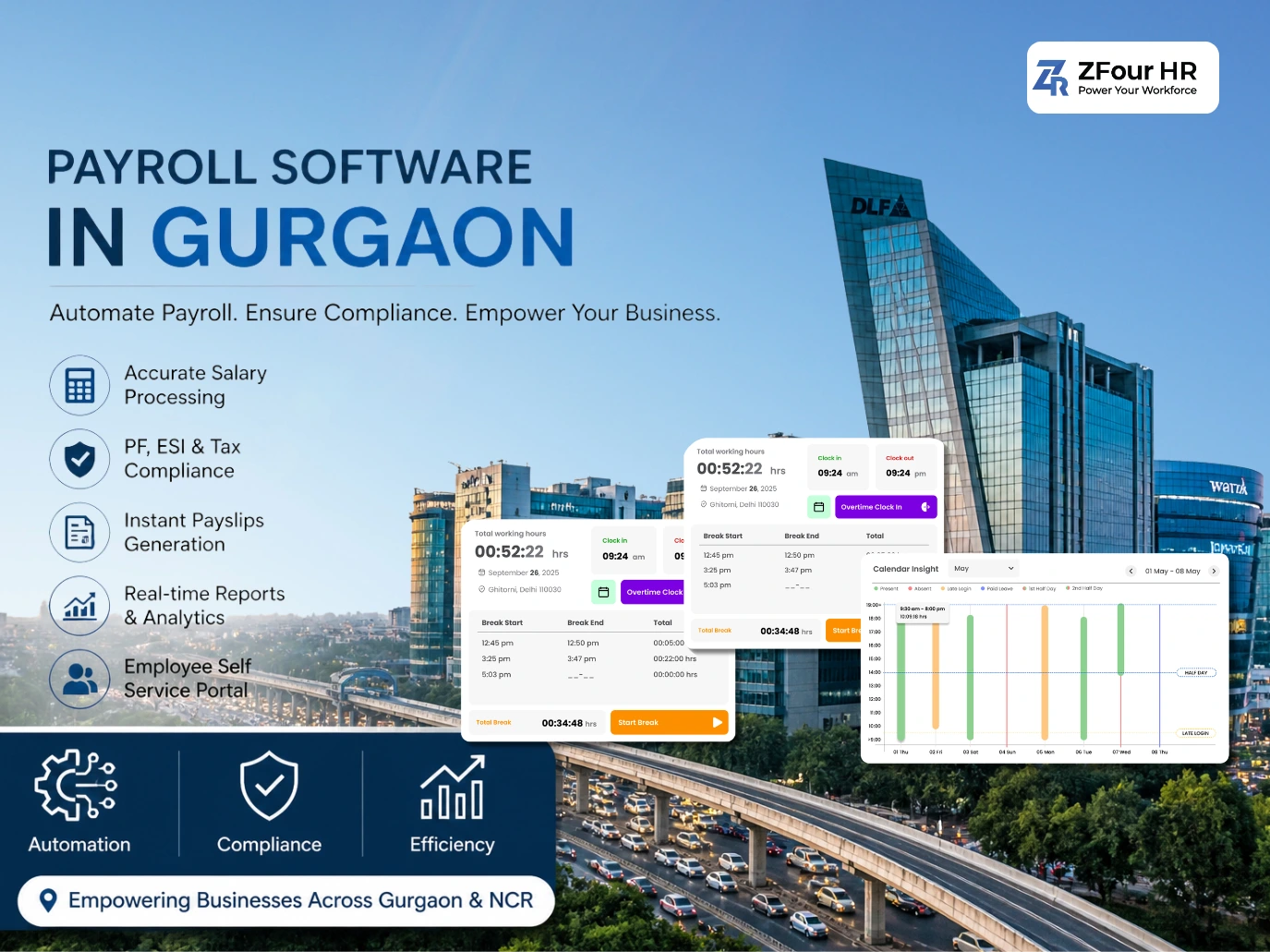
For organizations managing large payroll operations, automated HRMS and payroll systems can help reduce compliance risks and calculation errors.
Why These Changes Matter
The new wage definition aims to:
- Standardize salary structures
- Increase social security benefits
- Prevent excessive allowance structuring
- Strengthen retirement savings
While employees may initially notice a slight reduction in take-home salary, the long-term benefits — especially PF accumulation and gratuity payouts — are significantly improved.
Final Thoughts
India Labour Codes 2026 are reshaping salary structures across industries. The 50% basic pay rule directly impacts PF contributions, ESI eligibility, and gratuity calculations.
For HR professionals and business owners, the key lies in early restructuring, payroll system updates, and transparent employee communication.
For employees, while short-term take-home salary may slightly decrease, long-term financial security significantly improves.
Want to understand how the 50% basic pay rule affects your salary?
Download our free salary impact checklist and calculate your PF & gratuity benefits easily.