Human Resource Management Software: Best Tools in 2026

Managing employees is not easy—especially when your HR team is handling hiring, payroll, attendance, leaves, and compliance manually.
Many companies still depend on Excel sheets, WhatsApp messages, and paperwork. But in 2026, this method is slow and risky. That’s why businesses are switching to human resource management software in India to automate HR processes and improve workforce management.
A modern HRMS helps you save time, reduce payroll errors, and create a smooth employee experience.
In this blog, we’ll explain what HRMS is, how it works, and which human resources tools for small businesses and growing companies are most useful today.
What is Human Resource Management Software?

Human Resource Management Software (HRMS) is a digital tool that helps companies manage all HR tasks in one place.
Instead of maintaining separate systems for attendance, payroll, and employee records, HRMS makes HR work organized and simple.
With HRMS software, businesses can manage:
- employee details and documentation
- attendance tracking
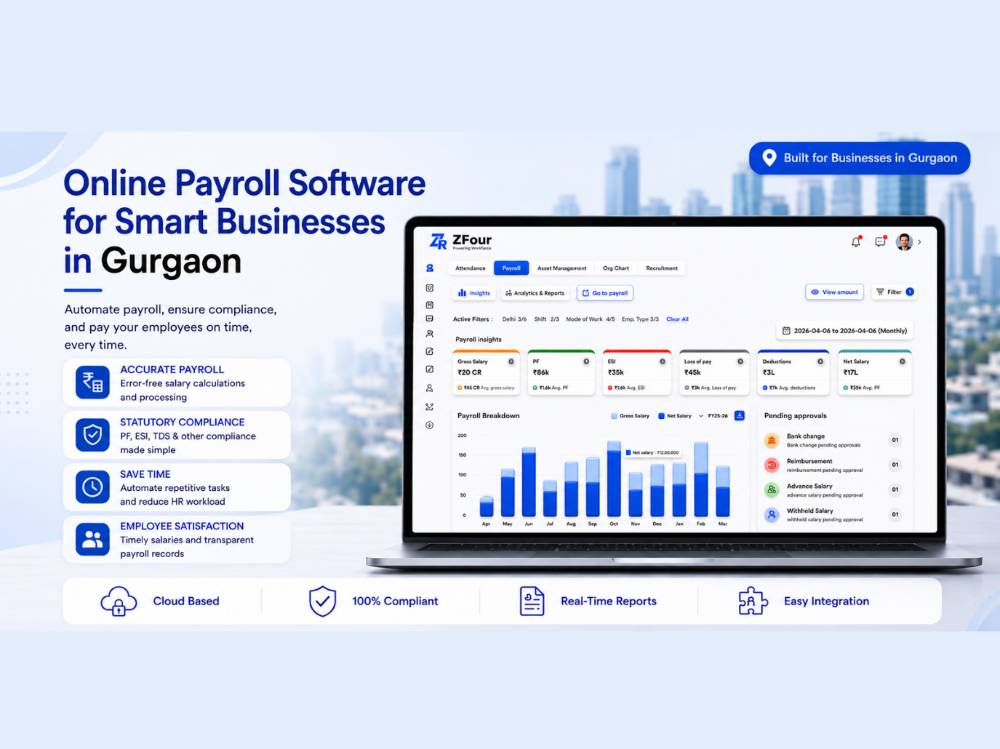
- payroll processing
- leave management
- recruitment and onboarding
- performance management
- HR compliance and statutory deductions
This is why HRMS is also called an employee management system.
Why Human Resources Tools Are Important for Businesses in 2026
Today’s companies are hiring faster, expanding teams, and managing remote or hybrid employees. This is where HR management software for companies becomes important.
Here are some key reasons why businesses are adopting HR tools:
1. Saves Time by Automating Daily HR Tasks
Tasks like payroll calculation, leave approvals, and attendance tracking take a lot of time if done manually.
With an HRMS, businesses can automate:
- salary calculations
- payslip generation
- shift scheduling
- attendance updates
- leave balance management
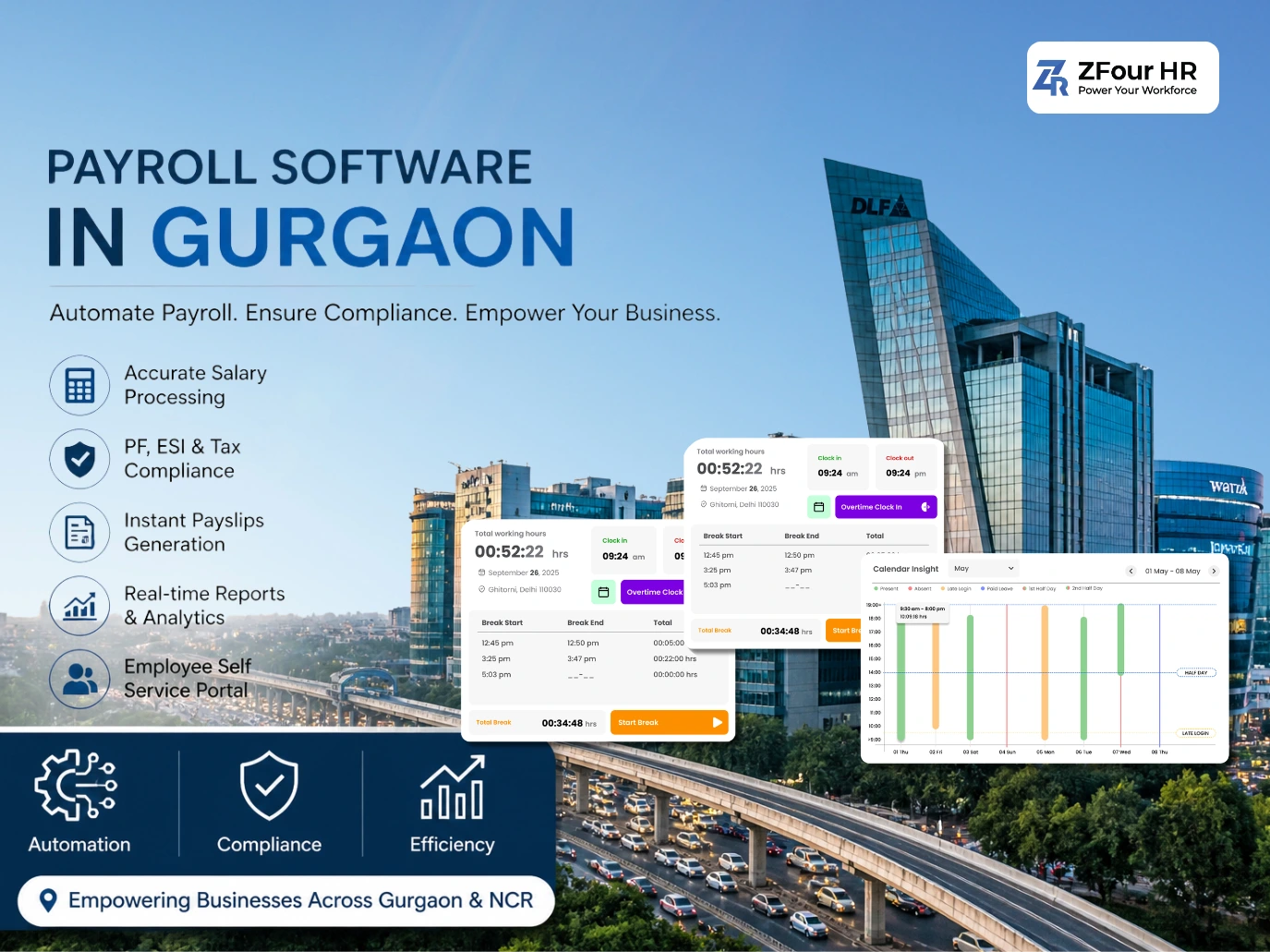
This is especially helpful for companies searching for payroll and attendance management software.
2. Reduces Payroll Errors and Salary Disputes
Payroll mistakes create employee dissatisfaction and unnecessary conflicts.
Using HR payroll software in India helps businesses avoid:
- wrong deductions
- attendance mismatch
- overtime calculation issues
- delayed salary processing
3. Improves Hiring and Onboarding Process
Recruitment is one of the most stressful HR tasks.
HRMS tools help with:
- resume collection
- candidate tracking
- interview scheduling
- onboarding documents
- employee joining process
This is why many companies look for recruitment management software for HR.
4. Helps Maintain Compliance in India
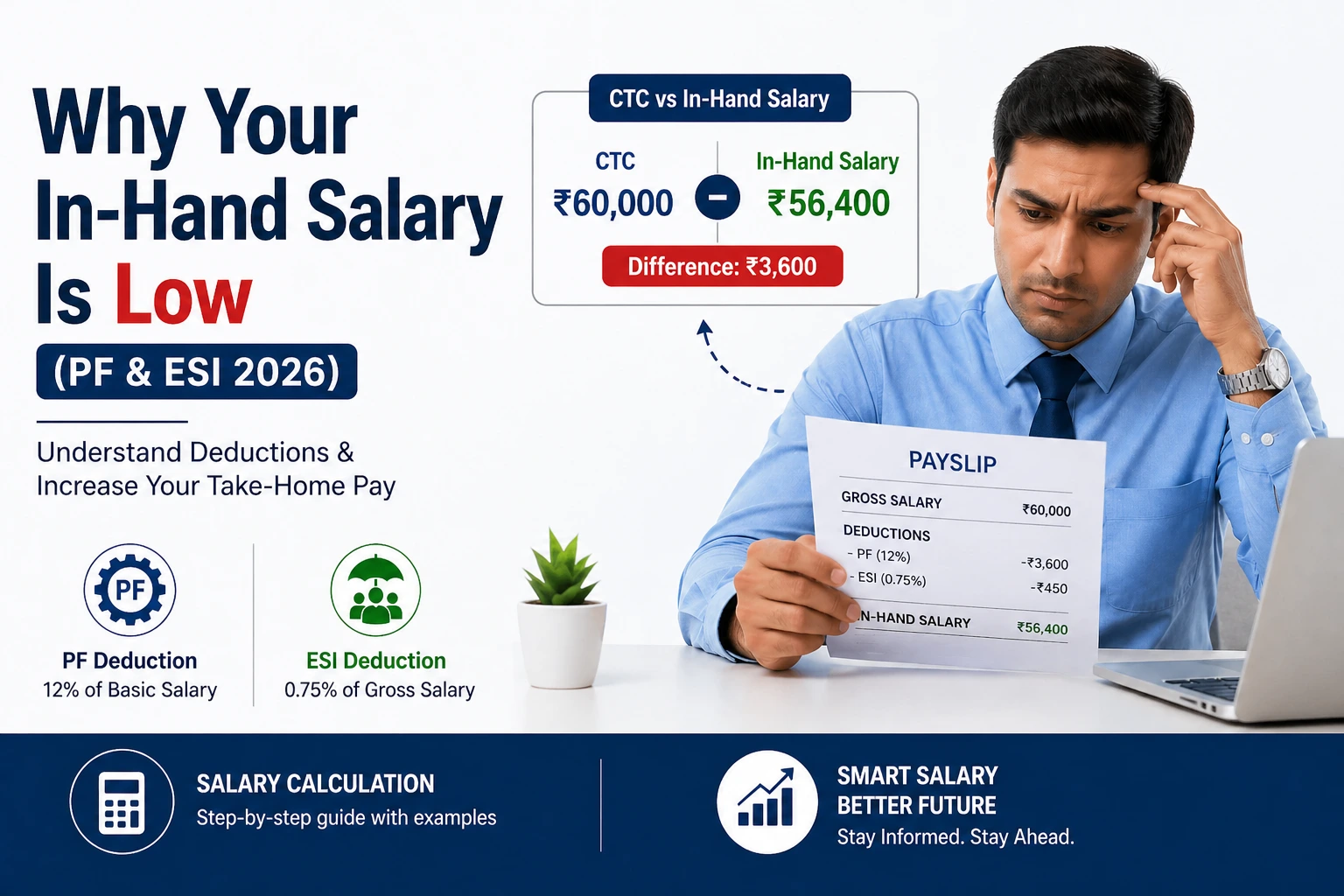
Compliance is a major challenge for businesses in India. HR teams must ensure PF, ESI, and tax deductions are correct.
A good HRMS helps in:
- PF and ESI compliance
- TDS deductions
- salary register reports
- audit-ready documentation
This makes HRMS useful as a statutory compliance software for payroll.
5. Gives HR Better Reports and Workforce Insights
HRMS tools provide valuable data such as:
- attendance reports
- payroll reports
- employee turnover reports
- performance tracking analytics
This helps companies improve decision-making and HR planning.
Key Features to Look for in Human Resource Management Software
Before choosing HRMS, companies should focus on features that match their workforce needs.
Here are the must-have features of a good human resource management system:
1. Recruitment & Onboarding Tools
A strong HRMS should support:
- job posting
- candidate database
- interview scheduling
- onboarding checklist
- offer letter documentation
This is important for businesses looking for HR software for recruitment and onboarding.
2. Payroll Processing System
Payroll is the backbone of HR operations.
A good payroll module should include:
- automated salary calculation
- payslip generation
- tax deduction support
- payroll reports export
- compliance-based deductions
Many SMEs search for best payroll software for small business in India, so this feature is essential.
3. Attendance and Leave Management System
Attendance tracking should be simple and error-free.
HRMS should support:
- biometric attendance integration
- shift and overtime management
- leave approvals
- leave balance tracking
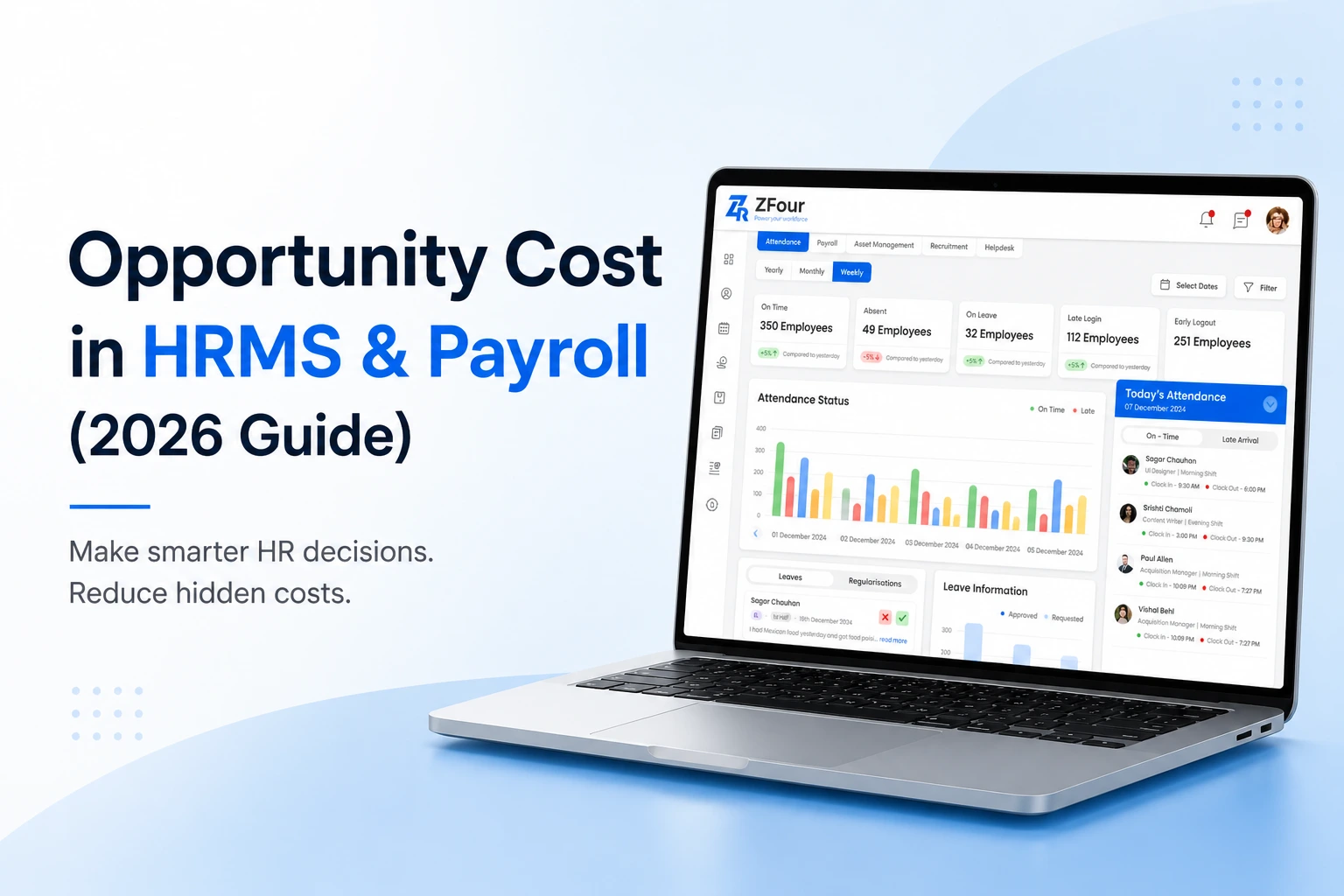
- attendance summary reports
This feature is highly demanded by companies searching for leave management software for employees.
4. Employee Self-Service Portal (ESS)
Employee self-service makes HR work easier.
Employees can:
- download payslips
- apply for leave
- check attendance
- update personal details
This is why many companies search for employee self service portal software.
5. Performance Management Tools
Performance management tools help businesses improve employee productivity.
A good HRMS supports:
- goal setting
- performance reviews
- KPI tracking
- employee feedback system
6. HR Reporting & Analytics
A good HRMS provides HR reports such as:
- headcount report
- payroll summary report
- leave report
- attendance report
- performance report
This is helpful for companies searching for HR analytics software.
Best Human Resource Management Software Options (Popular HR Tools)
There are many HRMS platforms available. Some popular options include:
Workday
Workday is used by large enterprises for HR management, payroll, and finance integration.
BambooHR
BambooHR is ideal for SMEs and offers strong recruitment, onboarding, and employee record management.
ADP Workforce Now
ADP is popular for payroll and compliance services.
SAP SuccessFactors
SAP SuccessFactors supports global workforce management and talent development.
Zoho People
Zoho People is a budget-friendly option for attendance and employee management.
Every business should choose HRMS based on team size, budget, and features required.
How to Implement Human Resource Management Software Successfully
Many companies invest in HR software but don’t get results because implementation is not planned properly.
Here is a simple step-by-step process:
✅ Step 1: Identify Your HR Challenges
Ask your HR team:
- Are we spending too much time on payroll?
- Is attendance tracking inaccurate?
- Are employees raising salary disputes?
- Are compliance reports difficult?
✅ Step 2: Choose HRMS Based on Your Business Type
A startup may need basic HRMS, while a manufacturing company may need shift scheduling and overtime management.
Always choose HRMS that fits your workforce.
✅ Step 3: Migrate Employee Data Carefully
Before migration, clean and verify data such as:
- employee names and IDs
- salary structure
- attendance history
- leave balance
- PF/ESI details
✅ Step 4: Train Employees and HR Team
Training is important for adoption. Employees should know how to use:
- leave portal
- attendance system
- payslip downloads
- profile updates
✅ Step 5: Monitor Usage and Improve
After implementation, track:
- payroll efficiency
- employee portal usage
- attendance accuracy
- HR satisfaction level
Future Trends in HRMS Software (2026)
HR technology is evolving quickly. Some major trends in 2026 include:
AI-Based HR Automation
AI helps in resume screening, employee engagement insights, and smart workforce planning.
Mobile-Friendly HR Management Software
Companies prefer mobile HRMS for remote teams and field staff.
Employee Wellness Features
Many HR platforms now include wellness programs and mental health support.
Data Security and Compliance Updates
HRMS tools are improving encryption and security to protect employee information.
Integration With Business Tools
HRMS platforms integrate with Slack, Teams, Zoom, accounting software, and ERP systems.
Conclusion
Human Resource Management Software is no longer optional in 2026. It is essential for companies that want to manage payroll, attendance, employee records, and compliance efficiently.
Whether you are a startup, SME, or large organization, HRMS helps you:
- automate HR processes
- reduce payroll errors
- improve employee satisfaction
- stay compliant with Indian labour laws
- make better workforce decisions
If your HR team is still managing everything manually, switching to HR management software can completely transform your HR operations.
For official compliance guidelines and updates, you can refer to:
- EPFO (PF Compliance)
- ESIC (ESI Compliance)
- Income Tax (TDS Rules)
- Ministry of Labour & Employment
These resources help businesses stay updated with statutory compliance requirements.