HRMS vs. Traditional HR: Why Businesses Must Upgrade in 2025

Human Resource Management has evolved significantly in recent years, and businesses must adapt to stay competitive. In 2025, the shift from traditional HR processes to a Human Resource Management System (HRMS) is no longer optional—it’s essential.
With increasing workforce complexities, compliance challenges, and the need for HR digital transformation, companies that fail to upgrade risk falling behind. Managing employees manually through spreadsheets, paperwork, and outdated HR methods can lead to inefficiencies, data errors, and compliance risks.
This blog will compare HRMS vs. Traditional HR, explore the benefits of HRMS, and explain why HR automation is a must for businesses in 2025.
What is Traditional HR?
Traditional HR refers to the manual, paper-based, or spreadsheet-driven approach to managing HR functions such as:
- Payroll processing
- Recruitment & hiring
- Employee record-keeping
- Performance evaluations
- Compliance tracking
While traditional HR methods worked in the past, they have significant drawbacks in today’s fast-paced digital business environment.
Challenges of Traditional HR
- Time-Consuming Processes Manual HR tasks—such as calculating payroll, tracking attendance, or processing paperwork—consume valuable time and are prone to errors.
- Lack of Real-Time Insights Traditional HR methods rely on outdated reports rather than real-time analytics, making workforce planning inefficient.
- Compliance Risks Keeping up with labour laws, tax regulations, and workplace policies manually is difficult and increases compliance management risks.
- Limited Employee Engagement Without HR software 2025 features like self-service portals, employees struggle to access HR services, impacting their overall workforce engagement.
- Scalability Issues As businesses expand, traditional HR methods struggle to manage growing teams, resulting in inefficiencies in workforce management.
What is HRMS?
A Human Resource Management System (HRMS) is a cloud-based or on-premise software that automates and centralizes HR functions. It integrates key processes like:
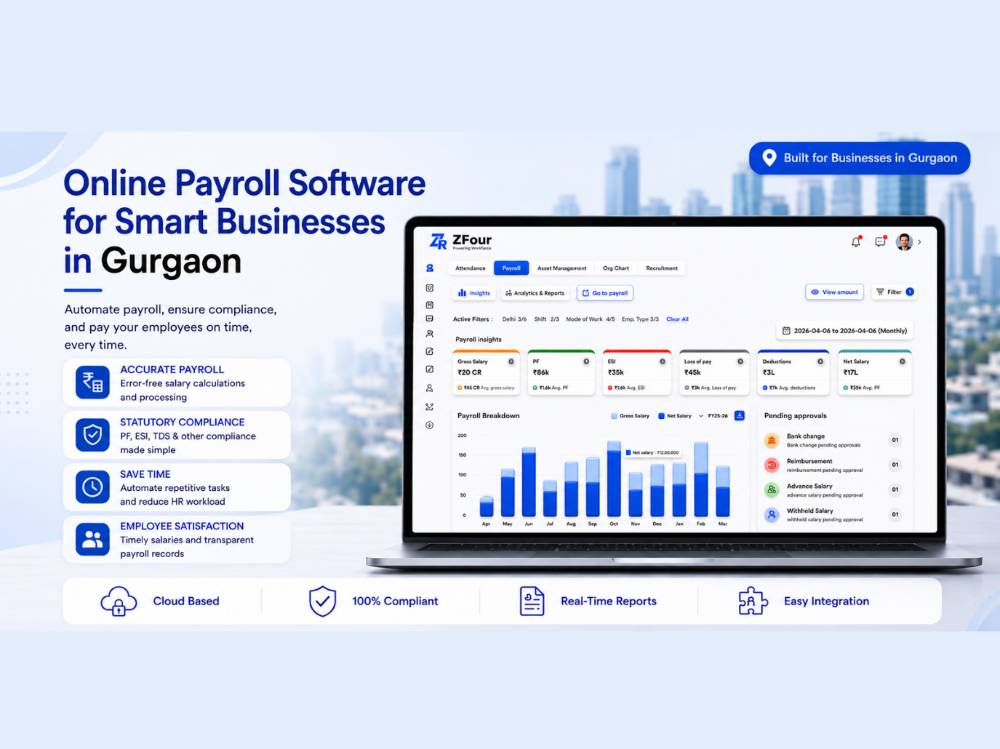
- Payroll automation
- Employee engagement tracking
- Recruitment and hiring management
- Compliance management
- Workforce analytics & insights
With HRMS software, businesses can streamline HR processes, reduce administrative burden, and make data-driven decisions to improve workforce efficiency.
Benefits of HRMS in 2025
1. Automation & Efficiency
- Eliminates manual paperwork and automates repetitive HR tasks like payroll processing, attendance tracking, and performance appraisals
Increases productivity by reducing administrative workload.
2. Data-Driven Decision Making
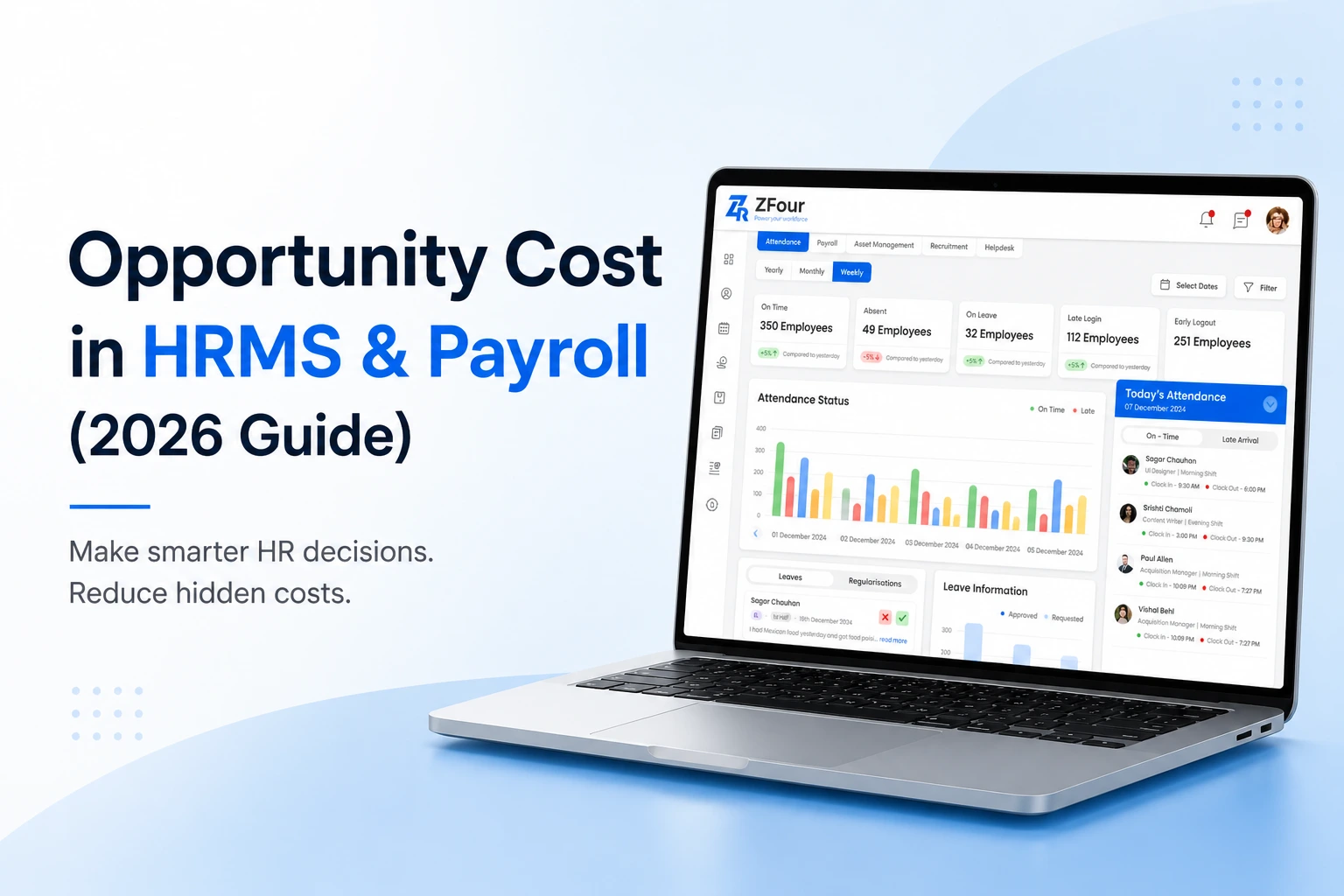
- Provides real-time analytics and reports on workforce performance.
Helps in better workforce planning and talent management.
3. Improved Compliance Management
- Ensures businesses stay up-to-date with labour laws and tax regulations, reducing compliance risks.
Automates policy updates and ensures HR teams remain compliant.
4. Enhanced Employee Experience
- Self-service portals allow employees to access payslips , request leave, and update personal records.
Boosts employee engagement and satisfaction.
5. Seamless Recruitment & Onboarding
- AI-powered recruitment management helps HR teams hire faster.
Automates onboarding, making it easier for new employees to integrate into the company.
6. Remote Work Support
- HR software 2025 solutions help HR teams manage remote workforce operations effectively
- Enables smooth digital communication, time tracking, and performance evaluations for remote teams.

Why Businesses Must Upgrade to HRMS in 2025
As HR digital transformation accelerates, businesses must adopt HRMS to remain competitive. Here’s why:
1. Gain a Competitive Advantage
Companies using HRMS software have an edge over those relying on outdated HR methods. It helps in better workforce management, employee retention, and productivity improvement.
2. Cost Savings
Manual HR tasks consume more time and money. With HR automation, businesses reduce:
- Administrative overhead costs
- Payroll processing errors
- Compliance fines
3. Scalability & Business Growth
An HRMS is designed to scale as a business grows. It helps manage expanding teams efficiently while ensuring compliance across different regions.
4. Data Security & Compliance
Advanced encryption, multi-factor authentication, and cloud-based security in HRMS software protect sensitive HR data.
How to Choose the Right HRMS Software?
When selecting an HRMS software, businesses should look for the following features:
- Payroll automation & compliance tracking
- Employee self-service portal
- AI-powered recruitment & onboarding
- Performance management & analytics
- Cloud-based accessibility for remote workforce management
Top HR software 2025 solutions provide AI-driven analytics, predictive workforce planning, and automation to streamline HR tasks.