HRMS Software for HR Law Compliance in India’s Evolving Workplace
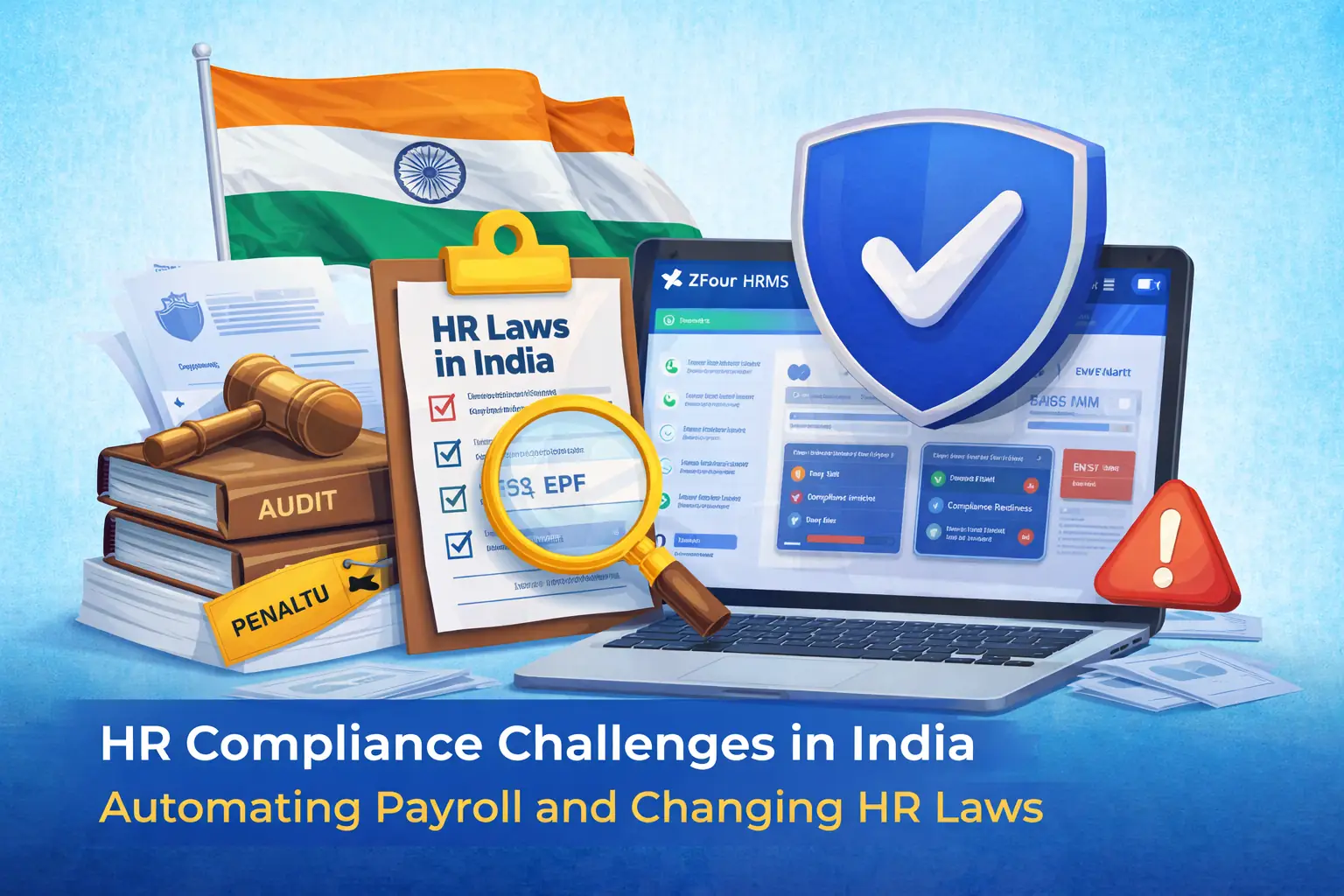
HR laws do not change overnight, but they also do not stay still. Payroll rules, statutory requirements, employee data protection standards, and work-hour regulations are continuously updated.
Are Businesses
For businesses, especially growing ones, keeping up with these changes has become one of the biggest operational challenges.
Many compliance failures today do not happen because companies ignore the law. They happen because manual HR systems cannot keep pace with frequent updates, documentation requirements, and real-time accuracy expectations. This is where HRMS software plays a critical role.
Rather than acting as just an HR tool, modern HRMS platforms function as compliance support systems that help businesses adapt to changing HR laws with consistency and control.
Why HRMS Software for HR Law Compliance Is Essential?
HR compliance used to be largely periodic. Today, it is continuous. Businesses are expected to maintain accuracy and transparency at all times due to several factors:
Labour and payroll laws are updated more frequently. Employee data privacy expectations are stricter. Hybrid and remote work models complicate attendance and payroll rules. Audit rules are increasingly digital and data-driven
In this environment, spreadsheets and disconnected HR tools create compliance gaps. Errors in payroll calculations, missing documentation, or inconsistent attendance records can quickly lead to penalties or audit notices.
Why Are Businesses Adopting HRMS?
The growing complexity of HR laws is directly reflected in HRMS market adoption.
According to Research and Markets, the global payroll and HR software market was valued at approximately USD 40 billion in 2025 and is expected to reach USD 65+ billion by 2029.
The primary drivers behind this growth are compliance automation, payroll accuracy, and audit readiness.
In India, adoption is even faster. IMARC Group reports that the Indian HRMS market was valued at around USD 1.1 billion in 2024 and is projected to grow to USD 4.3 billion by 2033, driven by labour law complexity, SME digitization, and hybrid work models.
These figures indicate that HRMS adoption is not driven by convenience alone. It is driven by compliance pressure.
How HRMS Software Helps with Changing HR Laws?
Payroll Compliance and Accuracy:
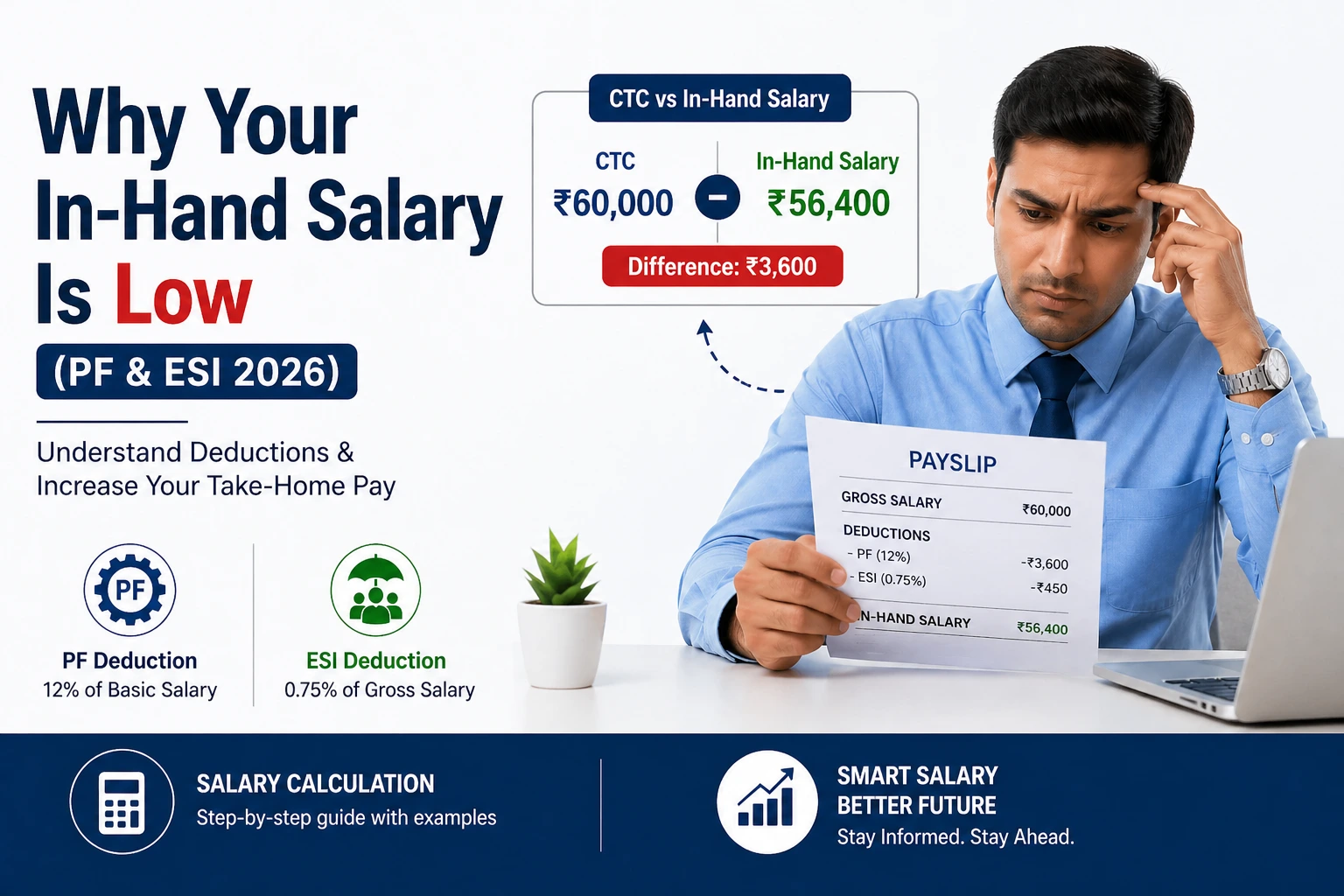
Payroll is one of the most regulated HR functions. Errors in salary calculation, statutory deductions, or tax filings are among the most common compliance issues businesses face.
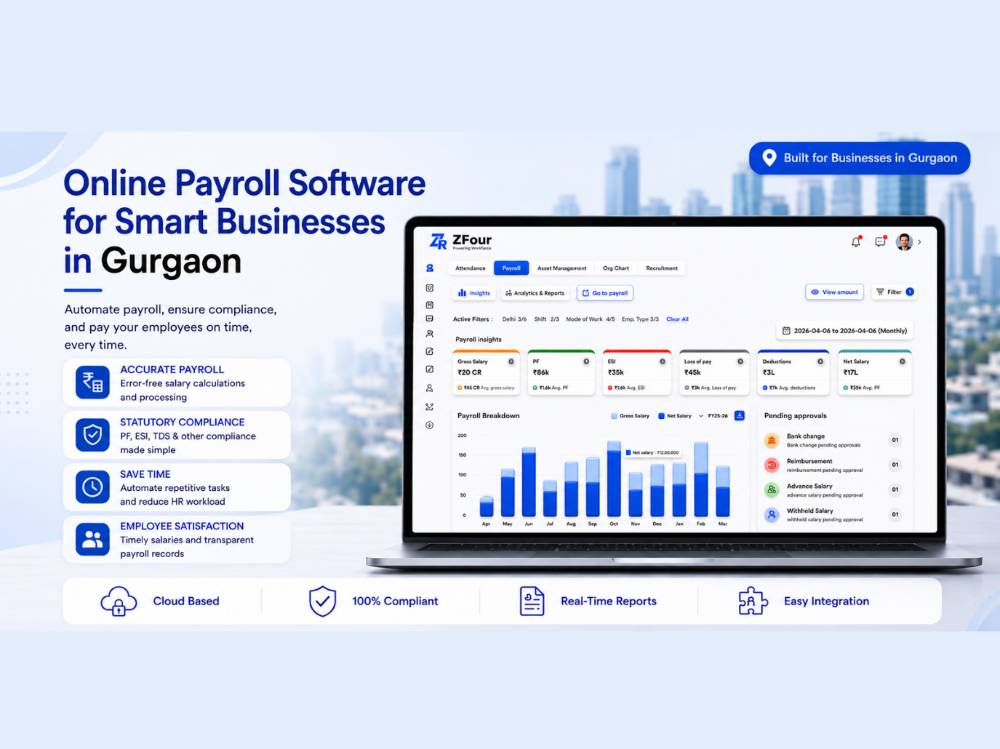
HRMS software automates payroll processing based on defined statutory rules. This reduces dependency on manual calculations and ensures consistency across pay cycles, even when regulations change.
Industry studies show that payroll automation significantly reduces compliance errors and audit risks compared to manual systems.
Centralized Employee Data Management:
Modern HR laws place responsibility on employers to protect employee data. Salary details, personal information, attendance records, and employment history must be stored securely and accessed only by authorized users.
HRMS software centralizes employee data and applies role-based access controls. This not only improves operational efficiency but also supports compliance with evolving data protection expectations.
Businesses that continue using spreadsheets for employee data face higher legal and security risks
Audit-Ready HR Documentation:
Audits are no longer rare or scheduled far in advance. Organizations are increasingly expected to provide records quickly and accurately.
HRMS platforms automatically maintain structured records for payroll history, attendance, leave, and policy acknowledgements.
This ensures documentation is always available and reduces last-minute compliance stress.
This shift from reactive compliance to continuous readiness is one of the strongest advantages of HRMS adoption.
Attendance and Leave Compliance in Hybrid Work:
Hybrid work has changed how attendance and working hours are tracked. Labour regulations still apply, but manual tracking often leads to inconsistencies.
HRMS software tracks attendance and leave digitally across office, remote, and hybrid setups. This ensures consistency in records and reduces disputes related to working hours, overtime, or leave balances.
Without automated systems, hybrid work can create invisible compliance gaps.
Policy Updates and Employee Acknowledgements:
When HR laws change, internal policies must be updated and employees must be informed. Businesses also need proof that employees have acknowledged these changes.
HRMS software allows companies to distribute updated policies digitally and record acknowledgements automatically.
This creates a clear compliance trail and reduces legal ambiguity.
HRMS Impact on Compliance
Compliance Area | Manual HR Risk | HRMS Impact |
Payroll accuracy | High error probability | Automated, rule-based accuracy |
Audit readiness | Reactive, time-consuming | Always audit-ready |
Employee data security | High exposure risk | Controlled, secure access |
Attendance tracking | Inconsistent records | Centralized, accurate logs |
Policy compliance | Manual follow-ups | Digital acknowledgements |
This table reflects why HRMS is increasingly seen as a compliance infrastructure rather than just an HR convenience.
Business Impact of HRMS Adoption
Organizations using HRMS software typically report:
Lower payroll and compliance errors, reduced audit preparation time, improved data security Lower HR operational workload, and greater confidence during compliance reviews
These outcomes align closely with industry research on HR technology a
compliance efficiency.
Final Thoughts
Keeping up with changing HR laws is no longer about periodic reviews or annual audits. It requires systems that operate accurately, consistently, and transparently every day.
HRMS software helps businesses move from reactive compliance to proactive readiness. By automating payroll, securing employee data, maintaining audit-ready records, and supporting hybrid work compliance, HRMS platforms reduce risk while improving operational clarity.
For businesses navigating constant regulatory change, HRMS is not just a productivity tool. It is a compliance foundation.
See how ZFour HRMS simplifies HR, payroll, and compliance — Get started now.