HRMS for Startups: Scaling HR Operations Efficiently

The Need for Scalable HR Solutions in Startups
Startups operate in a fast-paced, high-growth environment where agility and efficiency are critical. Managing human resources manually can lead to inefficiencies, compliance risks, and productivity losses.
This is where a Human Resource Management System (HRMS) becomes a game-changer. Implementing an HR management system enables startups to automate HR processes, enhance workforce management, and support business growth seamlessly.
HRMS for Startups: Scaling HR Operations Efficiently
Unlike large enterprises, startups often have limited HR resources. Manual HR operations can quickly become overwhelming, leading to administrative bottlenecks and errors.
An employee management system provides startups with a centralized platform to streamline essential HR functions, including hiring, payroll, compliance, and performance tracking.
By leveraging an HRMS software for small business, startups can establish efficient workflows, ensure legal compliance, and create a structured work environment that fosters growth and innovation.
Why Startups Need an HRMS
Startups need an HRMS for Startups: Scaling HR Operations Efficiently to tackle challenges related to employee management, workforce planning, and HR compliance. Traditional HR processes are often time-consuming and error-prone, making it difficult for startups to scale effectively. Here’s how an HR software for startups plays a crucial role:
- Efficiency and Automation: Automating tasks such as onboarding, payroll processing, and performance reviews saves time and minimizes errors.
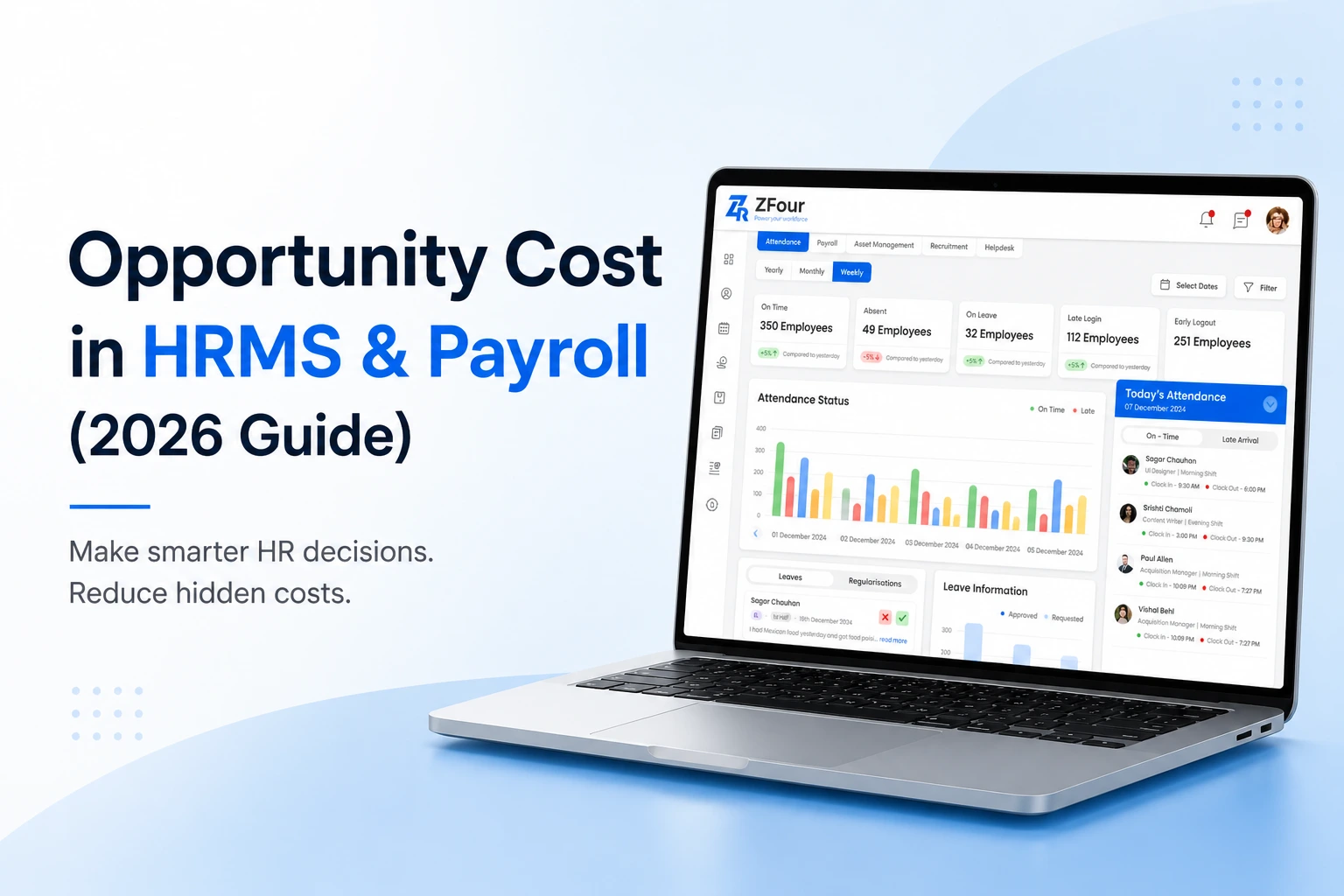
- Data-Driven Decision Making: Workforce analytics in HRMS allows startups to track employee productivity and engagement effectively.
- Compliance and Risk Mitigation: Ensuring adherence to labor laws and tax regulations reduces legal risks.
- Scalability: A HRMS software for small business can grow alongside the startup, adapting to changing workforce needs.
By implementing an HRMS for Startups: Scaling HR Operations Efficiently, businesses can streamline HR functions, enhance workforce management, and drive long-term growth.

Key Benefits of HRMS for Startups
- Automating HR Processes A robust HR management system eliminates repetitive tasks such as employee onboarding, attendance tracking, and payroll processing, allowing HR teams to focus on strategic initiatives. By leveraging automation, startups can reduce manual errors and increase operational efficiency.
- Enhanced Employee Experience Providing employees with self-service portals for leave requests, payslips, and performance reviews fosters transparency and engagement. A modern employee management system enables employees to access their records easily, reducing dependency on HR personnel for routine inquiries.
- Efficient Hiring and Talent Acquisition An HRMS with an integrated applicant tracking system (ATS) simplifies recruitment by automating job postings, resume screening, and interview scheduling. This feature streamlines the hiring process, helping startups attract top talent efficiently.
- Compliance and Risk Mitigation Startups often struggle with legal and tax compliance due to limited resources. An HR management system helps manage labor laws, tax regulations, and benefits administration, reducing compliance risks and ensuring smooth HR operations.
- Data-Driven Decision Making HRMS platforms provide workforce analytics, enabling startups to make informed decisions regarding talent management, productivity optimization, and strategic workforce planning. With real-time insights, HR teams can analyze performance trends and workforce productivity effectively.
Essential Features to Consider in an HRMS for Startups
HRMS for Startups: Scaling HR Operations Efficiently
- Cloud-Based Accessibility A cloud HRMS offers scalability and remote access, allowing employees to manage HR tasks from anywhere. This feature is essential for startups with remote teams.
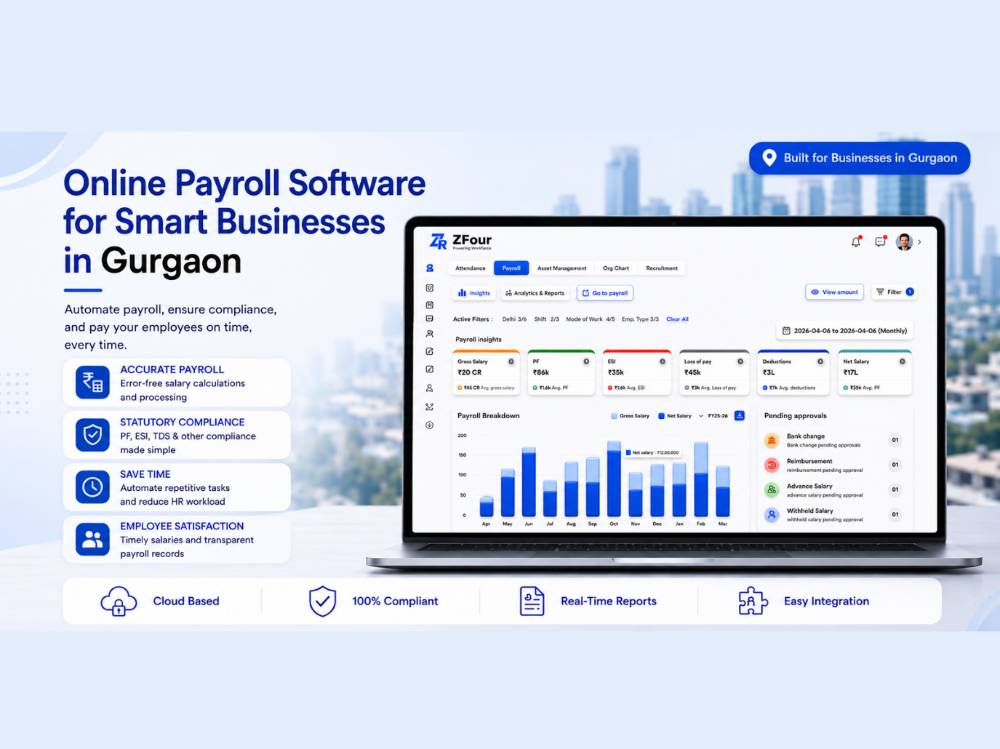
- Automated Payroll & Compliance A robust HR software for startups ensures error-free salary processing and regulatory adherence. Automated payroll systems help in tax calculations, deductions, and seamless salary disbursement.
- Employee Performance Management A strong performance management module helps track employee KPIs, gather real-time feedback, and assess career growth. This allows startups to identify high-performing employees and offer timely rewards and recognition.
- Scalability The ability to grow with the organization’s needs is crucial. A scalable HRMS software for small business allows startups to expand their workforce without operational disruptions.
- Integration Capabilities A startup-friendly HRMS should offer seamless integration with accounting software, collaboration tools, and other business applications. This ensures smooth workflow management and operational efficiency.
Key Features to Look for in an HRMS for Startups
When selecting an HRMS software for small business, startups should consider the following features:
1. Cloud-Based Accessibility
A cloud HRMS offers scalability and remote access, allowing employees to manage HR tasks from anywhere. This feature is essential for startups with remote teams.
2. Automated Payroll & Compliance
A robust HR software for startups ensures error-free salary processing and regulatory adherence. Automated payroll systems help in tax calculations, deductions, and seamless salary disbursement.
3. Employee Performance Management
A strong performance management module helps track employee KPIs, gather real-time feedback, and assess career growth. This allows startups to identify high-performing employees and offer timely rewards and recognition.
4. Scalability
The ability to grow with the organization’s needs is crucial. A scalable HRMS software for small business allows startups to expand their workforce without operational disruptions.
5. Integration Capabilities
A startup-friendly HRMS should offer seamless integration with accounting software, collaboration tools, and other business applications. This ensures smooth workflow management and operational efficiency.
Choosing the Best HRMS for Startups
Several best HR companies offer scalable HRMS solutions tailored for startups. When choosing an HR management system, consider factors like cost, usability, customer support, and integration capabilities.
Some leading HRMS solutions for startups include:
- BambooHR – Best for small businesses focusing on employee experience and automation.
- Gusto – Offers affordable payroll and benefits management solutions for startups.
- Zoho People – Known for comprehensive HR automation and scalability.
- Workday – Provides enterprise-level HR features for startups aiming for high growth.
- Deel – Ideal for remote workforce management and international hiring.
Conclusion: Future-Proofing HR for Startup Growth
Investing in the right employee management system is crucial for startups looking to scale efficiently. A well-implemented HRMS software for small business streamlines HR processes, enhances compliance, and empowers startups to focus on growth and innovation.
By leveraging HR software for startups, businesses can optimize their HR operations, boost employee engagement, and ensure a seamless hiring and workforce planning process. Ready to elevate your HR operations? Explore the best HRMS solutions and take your startup’s HR management to the next level!