HR Management: What It Means & Why It Matters
In today’s competitive corporate world, HR management is more than just hiring and firing. It’s a strategic pillar that helps companies grow by effectively managing their most important asset — their people.
If you're wondering about the real meaning of HR management, this blog will break it down in a clear and detailed way.
What is 'HR Management'?
HR Management (Human Resource Management) refers to the structured and strategic approach to managing people within an organization.
It includes recruiting, training, motivating, and developing employees to achieve organizational goals efficiently.
The primary goal of HR management is to ensure the right people are hired, retained, and nurtured, creating a positive and productive work environment.
Why HR Management is Important
Businesses can’t survive without people, and managing people effectively is where HR steps in. Here's why HR management is important:
- It ensures efficient hiring and placement.
- Helps with employee retention
- Promotes a healthy and safe work environment
- Supports career development and employee growth
- Ensures compliance with labor laws
With strong HR practices in place, organizations are more likely to perform well, attract top talent, and reduce employee turnover.
Key Components of HR Management
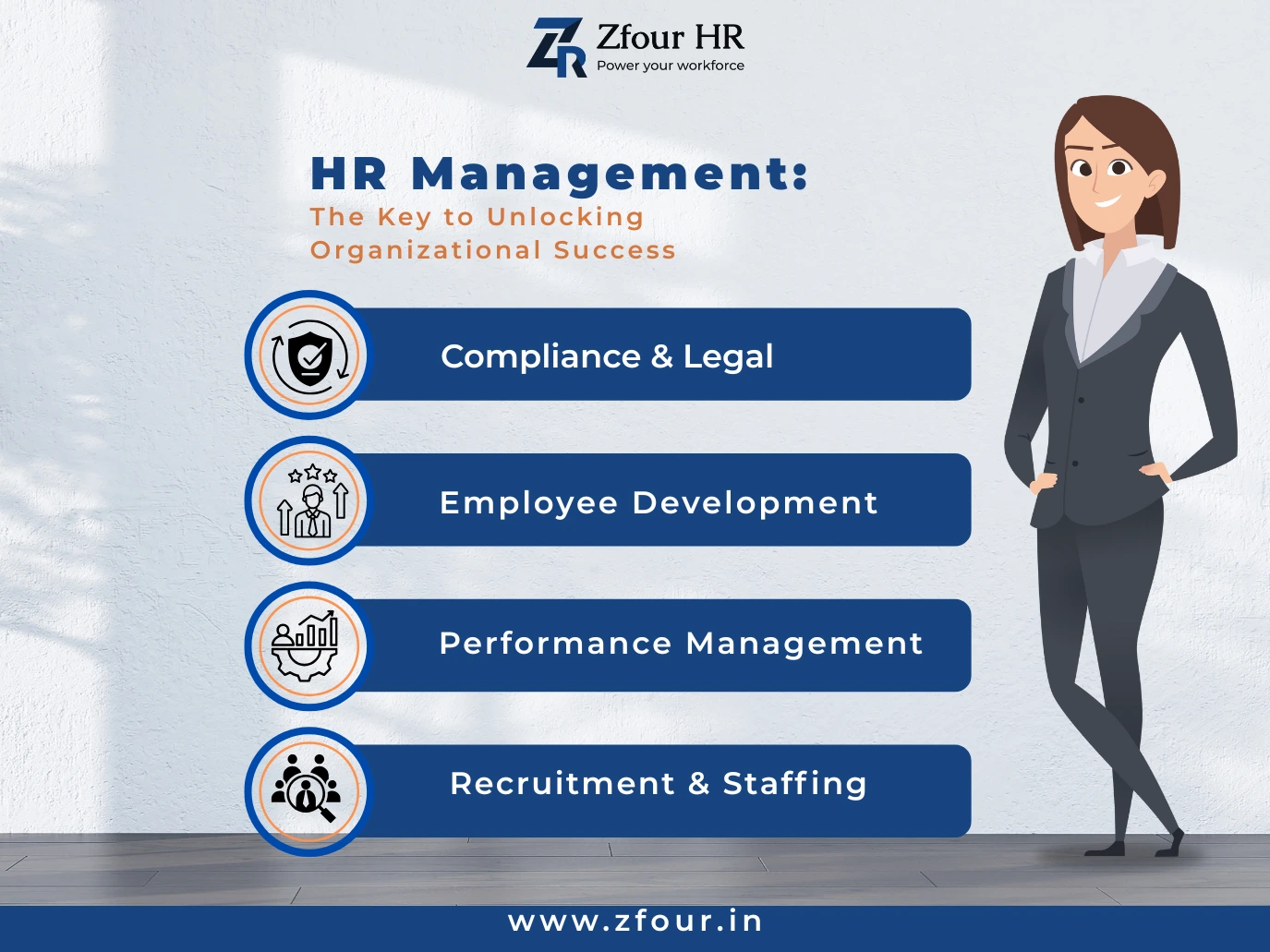
Let’s break down the main functions that define the meaning of human resource management:
1. Recruitment and Selection
This involves attracting, shortlisting, interviewing, and selecting the best talent for the job. A solid recruitment strategy ensures the organization has a skilled and diverse workforce.
2. Training and Development
Employees need continuous skill upgrades.
HR departments manage onboarding, skill enhancement, leadership programs, and more.
3. Performance Management
Monitoring, evaluating, and improving employee performance through appraisals, feedback, and KPIs.
4. Compensation and Benefits
Includes payroll, bonuses, incentives, insurance, and retirement plans that keep employees satisfied and motivated.
5. Employee Engagement and Culture
HR works to maintain a positive workplace culture, encourage teamwork, and boost employee morale.
6. Legal Compliance
HR ensures the organization follows labor laws, safety standards, and equal opportunity guidelines.
The Role of HR Managers
HR Managers act as the bridge between the company and its employees.
Their responsibilities include:
- Implementing HR strategies
- Managing recruitment campaigns
- Handling disputes and grievances
- Promoting diversity and inclusion
- Developing policies and handbooks
HR Management vs. HRM: Is There a Difference?
The terms HR management and HRM (Human Resource Management) are often used interchangeably.
Both refer to the same concept — managing the workforce effectively. However, HRM is a broader and more strategic term, while HR management may focus more on operational functions.
Tools Used in Modern HR Management
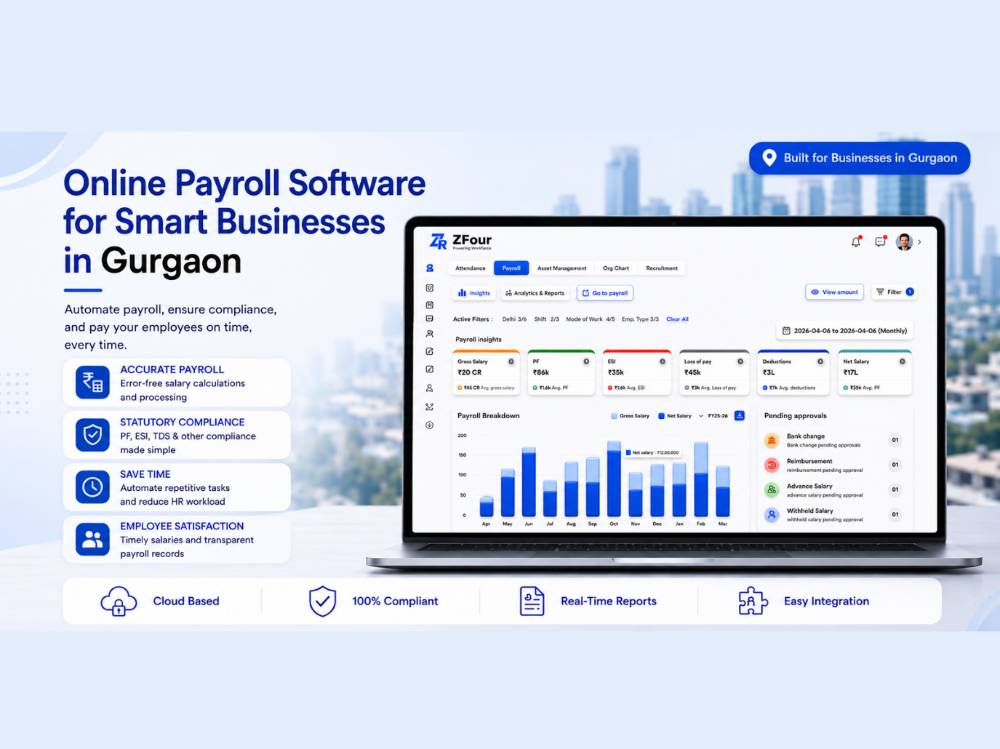
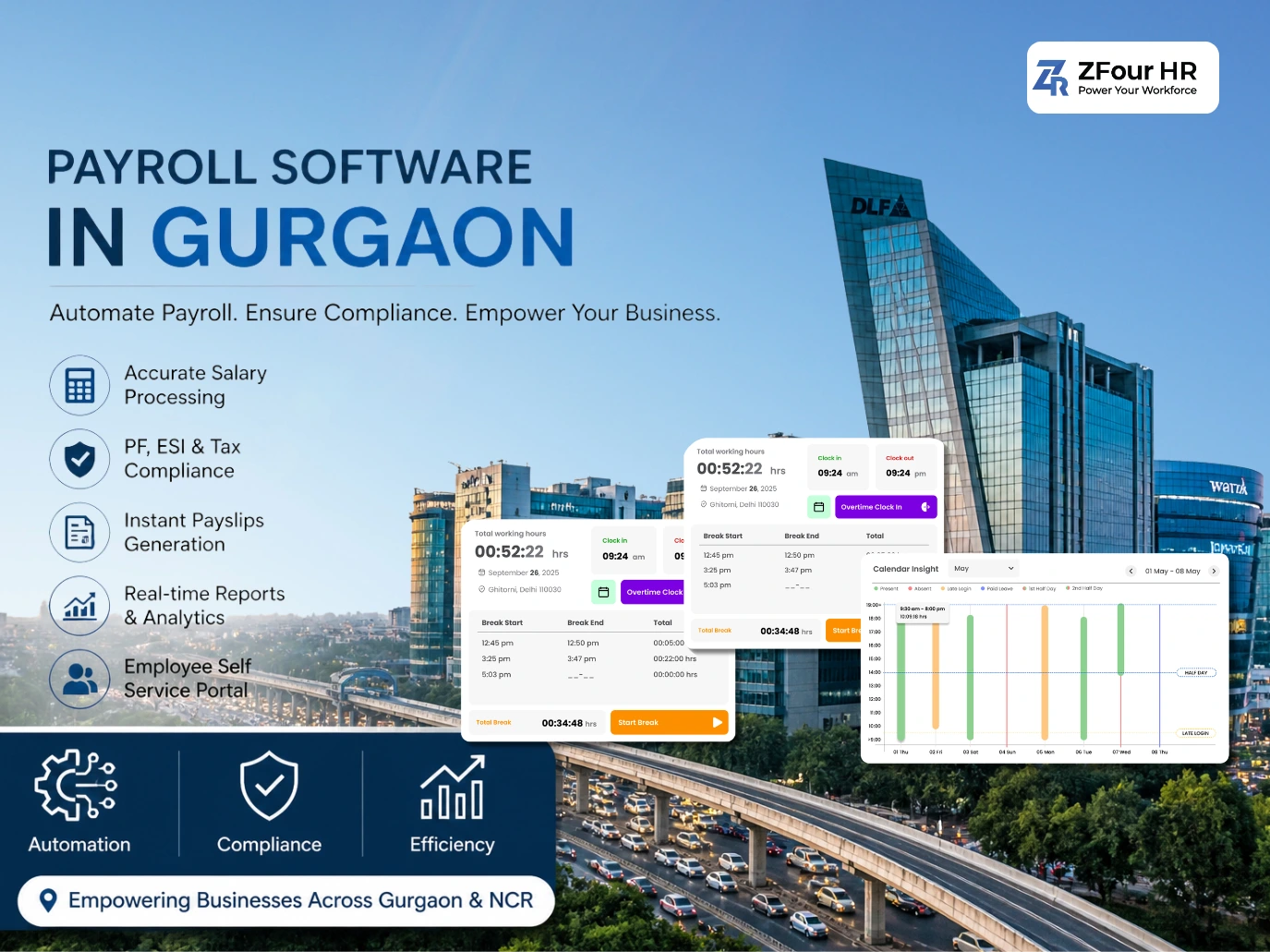
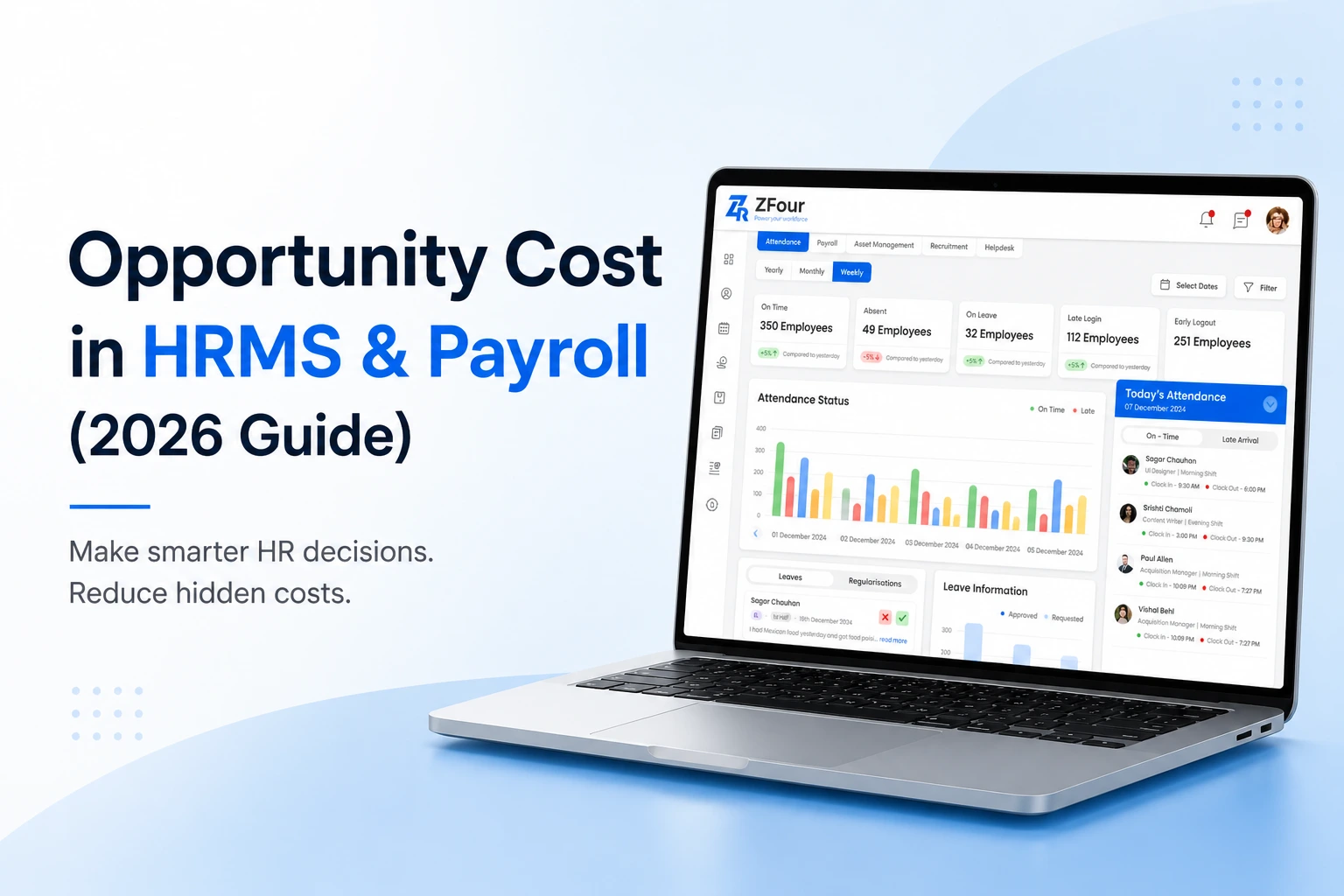
Today’s HR departments rely on HR management software to streamline their processes. Platforms like:
- Zfour Solutions
- BambooHR
- Zoho People
- Keka
Help manage everything from payroll to performance reviews and employee records.
Final Thoughts
So, what does HR management mean?
It’s the backbone of an organization, responsible for finding, nurturing, and retaining the talent that drives business success.
Whether as a business owner or an aspiring HR professional, understanding HR management is essential to creating a productive and happy workplace.
In short, HR management isn’t just a department — it’s a business enabler