How Geo-Fencing in HRMS is Changing Attendance Tracking in 2026
Attendance tracking has always been a big challenge for companies—whether it’s dealing with inaccurate records, buddy punching, or managing field employees who are always on the move. But in 2026, things are changing faster than ever. One of the biggest technology shifts happening right now is Geo-Fencing in HRMS, and it is completely transforming how companies monitor attendance.
Earlier, employees had to punch cards, stand in long queues for biometrics, or depend on unreliable manual registers. Today, with hybrid work, field jobs, deliveries, remote workers, and flexible timings, old systems simply don’t work anymore. That’s where Geo-Fencing in HRMS 2026 comes in — a modern, smart, and highly accurate solution that fits how we work today.
In this blog, let’s break down what geo-fencing means, how it works, and why it is becoming the #1 attendance technology in 2026.
What Exactly Is Geo-Fencing in HRMS?
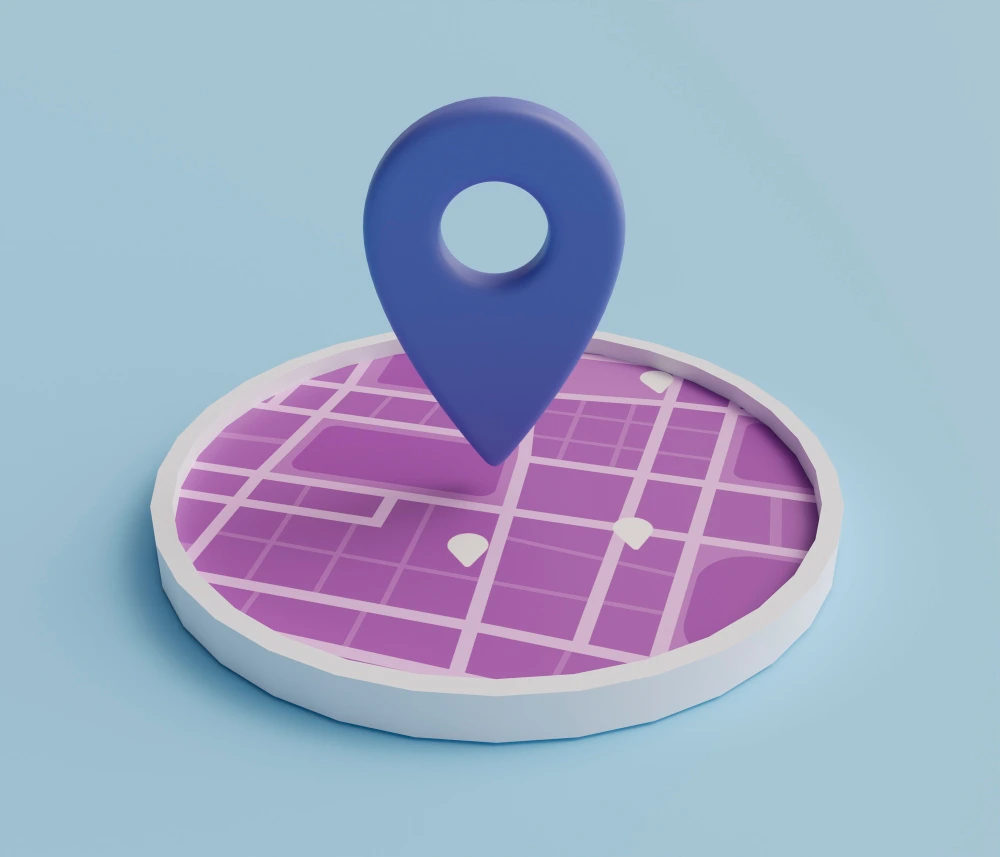
Think of geo-fencing as creating an invisible boundary around a location.
For example:
Your office
A construction site
A warehouse
A delivery zone
A client location
When an employee enters or exits that location, the HRMS can automatically record attendance.
So instead of employees manually marking attendance, the HRMS uses GPS to detect where they are — and verifies if they are within the allowed zone.
This modern geo-fencing attendance system 2026 works through:
✅ Mobile GPS
✅ HRMS Mobile App
✅ Location permission
✅ Virtual fence (radius like 50m / 100m / 250m)
✅ Auto check-in & check-out options
✅ Alerts & notifications
Why Geo-Fencing Is a Game-Changer in 2026
More companies than ever before have employees who work:
In the field
From home
In multiple branches
On rotational shifts
In client locations
Across cities or states
Traditional attendance systems don’t support this flexibility.
But Geo-Fencing in HRMS 2026 fixes all of these problems in one go.
Here’s how:
1. Removes Buddy Punching Completely
Buddy punching happens when one employee marks attendance for another. Biometric systems reduced it, but remote and field jobs made biometrics impossible.
With geo-fencing:
✔ Attendance is marked ONLY when the employee is physically near the location
✔ No one else can check in for them
✔ GPS + Device ID ensures accuracy
This alone saves companies thousands of rupees every month.
2. Perfect for Remote & Hybrid Employees
Hybrid work is now normal:
Work-from-office
Work-from-home
Work-from-client-spot
Work-from-co-working space
Traditional systems cannot track this. But HRMS attendance tracking 2026 with geo-fencing solves it beautifully.
Employees can mark attendance only if they are within the approved radius — whether that’s:
✔ Their home
✔ Office
✔ Client location
✔ Project site
✔ Remote zone
This is extremely useful for IT teams, consultants, training teams, and support agents.
3. Ideal for Field Employees and Delivery Teams
Sales teams, drivers, delivery partners, construction workers, and service technicians spend most of their time outside.
Geo-fencing attendance makes tracking easy:
Employees check-in at job locations
HR can see real-time movement
Attendance is linked to actual site visit
No need for physical hardware
This solves the biggest challenge companies face with field teams.
4. Improves Accuracy of Attendance & Payroll
Attendance mistakes lead to:
❌ Wrong overtime
❌ Wrong salary
❌ Wrong leaves
❌ Employee dissatisfaction
But with location-based attendance HRMS, every check-in is backed by GPS coordinates — meaning zero manipulation.
Payroll accuracy increases by 99% because:
✔ Attendance → Auto-syncs → Payroll
✔ No manual entries
✔ No wrong timings
✔ No disputes
5. Better Compliance & Workforce Transparency
In 2026, companies must maintain clear attendance records for compliance.
Geo-fencing ensures:
Accurate working hours
Exact location logs
Real-time proof of presence
Automated timesheets
Compliance with labor regulations
This makes audits easier and builds trust between employer and employees.
6. Helps HR Make Smarter Decisions
One of the strongest benefits of Geo-Fencing in HRMS 2026 is data and insights.
Analytics show:
Who arrives late frequently
Field visit patterns
Site productivity
Shift utilization
Attendance trends
Overtime cost analysis
This helps HR improve planning, avoid understaffing, and increase productivity.
7. Saves Time for Both Employees & HR
No more:
❌ Standing in lines
❌ Entering attendance manually
❌ HR calling you for correction
❌ Biometrics breaking down
❌ Missed punches
Geo-fencing makes everything automatic — you just enter the location and attendance is done.
8. Works Even When Internet Is Weak
A good HRMS system supports offline mode.
Employees can:
✔ Check-in even with poor network
✔ Auto-sync when internet returns
✔ Avoid missing attendance
This is especially useful for:
Rural locations
Basement offices
Remote sites
Construction areas
How Geo-Fencing in HRMS 2026 Works (Step-by-Step)
Here’s how a typical geo-attendance tracking flow works:
Step 1: HR sets a location (office or worksite)
Step 2: HR sets a radius (like 100 meters)
Step 3: Employee installs the HRMS mobile app
Step 4: Employee arrives within the geo-zone
Step 5: The app verifies location
Step 6: Attendance is auto-marked or allows check-in
Step 7: Data goes to HR dashboard
Step 8: Payroll auto-calculates based on attendance
Industries Using Geo-Fencing Attendance in 2026
Geo-fencing HRMS is becoming standard across industries:
✔ Logistics
✔ Retail chains
✔ Construction
✔ Pharmaceuticals
✔ Manufacturing
✔ IT companies
✔ Security agencies
✔ Hospitality
✔ Sales teams
✔ Schools & colleges
✔ Healthcare
✔ Delivery networks
Basically, any business with remote, on-field, or multi-location employees.
Why Geo-Fencing Is Better Than Biometrics in 2026
Feature | Biometrics | Geo-Fencing |
Works for remote workers | ❌ No | ✅ Yes |
Works for field teams | ❌ No | ✅ Yes |
Requires hardware | ❌ Yes | ✅ No |
Prevents buddy punching | ❌ Yes | ✅ Yes |
Requires touching devices | ❌ Yes | ✅ No |
Installation cost | High | Zero |
Setup time | Slow | Instant |
Geo-fencing wins in every modern scenario.
How ZFour HRMS Uses Geo-Fencing to Improve Attendance
ZFour HRMS takes geo-fencing to the next level with features like:
Multiple geo-fence locations
Branch-based tracking
Mobile app check-in/out
Anti-fraud GPS verification
Auto-sync with payroll
Real-time attendance dashboard
Location history
Shift-based geo-restrictions
Alerts for out-of-zone check-in attempts
ZFour HRMS supports both office employees and field teams, making it one of the best geo-fencing attendance systems in 2026.
Conclusion
The future of attendance tracking is smart, simple, and location-based.
Geo-Fencing in HRMS 2026 is helping companies:
✔ Eliminate attendance fraud
✔ Track field employees accurately
✔ Support hybrid and remote working
✔ Reduce HR workload
✔ Improve payroll accuracy
✔ Increase transparency and trust
If your company still uses outdated attendance systems, it’s time to upgrade. Geo-fencing is not just a trend — it is the future of workforce management and ZFour HRMS is one of the best platforms to help you get there.