Aggregator Compliance India 2026: Gig Workforce Rules

India’s gig economy is no longer informal. With the Social Security Code fully applicable from 2026, businesses working with gig and platform workers must now meet strict aggregator compliance requirements.
If you run a fleet, marketplace, delivery platform, or task-based service, this guide explains what Aggregator Compliance India 2026 means, how much it can cost, and why India’s best HRMS-led approach is critical.
Aggregator Compliance India 2026
Aggregator Compliance India 2026 refers to the mandatory legal obligations imposed on aggregators under the Social Security Code to ensure social security benefits for gig and platform workers.
Who Is Legally Defined as an Aggregator?
You fall under the aggregator category if you:
- Engage gig or platform workers
- Manage on-demand or task-based services
- Pay workers digitally or through vendors
- Operate fleets, marketplaces, or service platforms
There is no exemption based on company size—startups, SMEs, and enterprises are equally covered.
The End of Shadow Employment in India
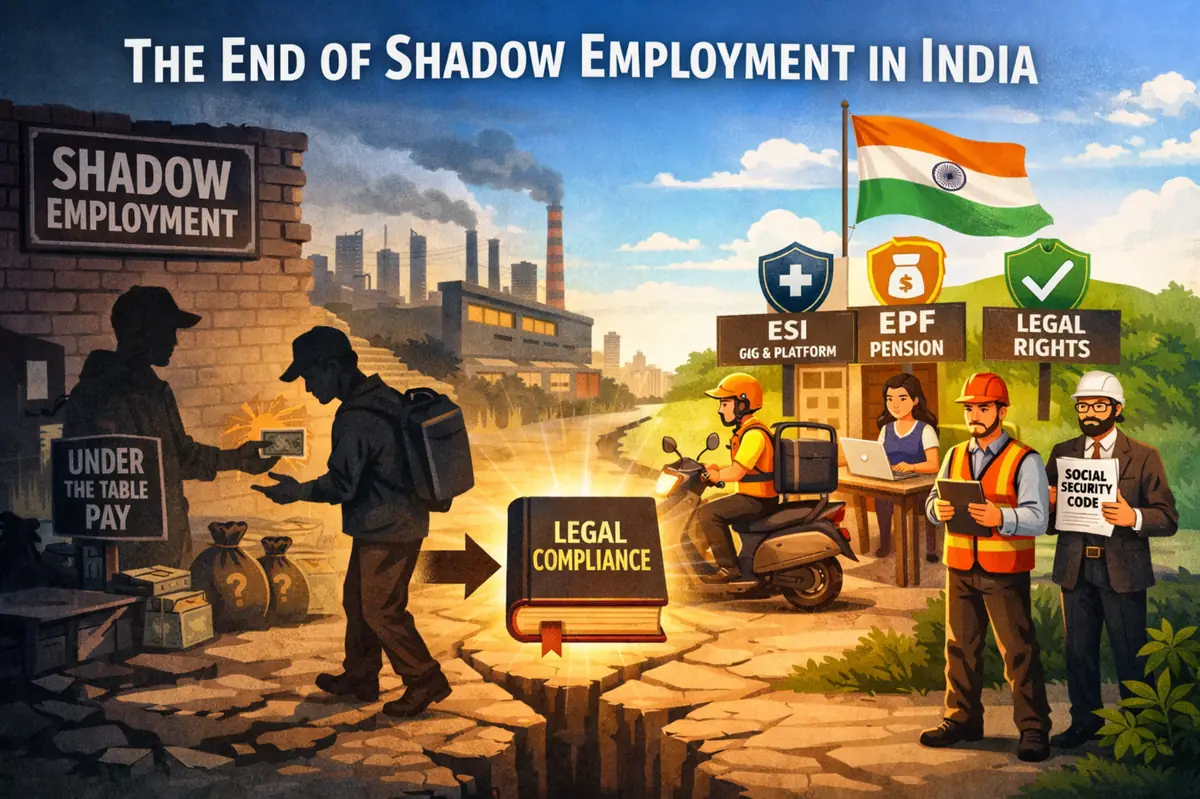
What Changed Under the Social Security Code?
- Gig and platform workers are legally recognized
- Aggregators must contribute to social security
- Compliance is digitally monitored
Businesses are no longer just intermediaries—they are now accountable employers.
Turnover Contribution Rule Under Aggregator Compliance India 2026
This is the most critical requirement for founders and CFOs.
Contribution Calculation Explained
- Mandatory contribution of 1%–2% of gig-related turnover
- Maximum cap of 5% of total gig payouts
- Amount payable to the Social Security Fund
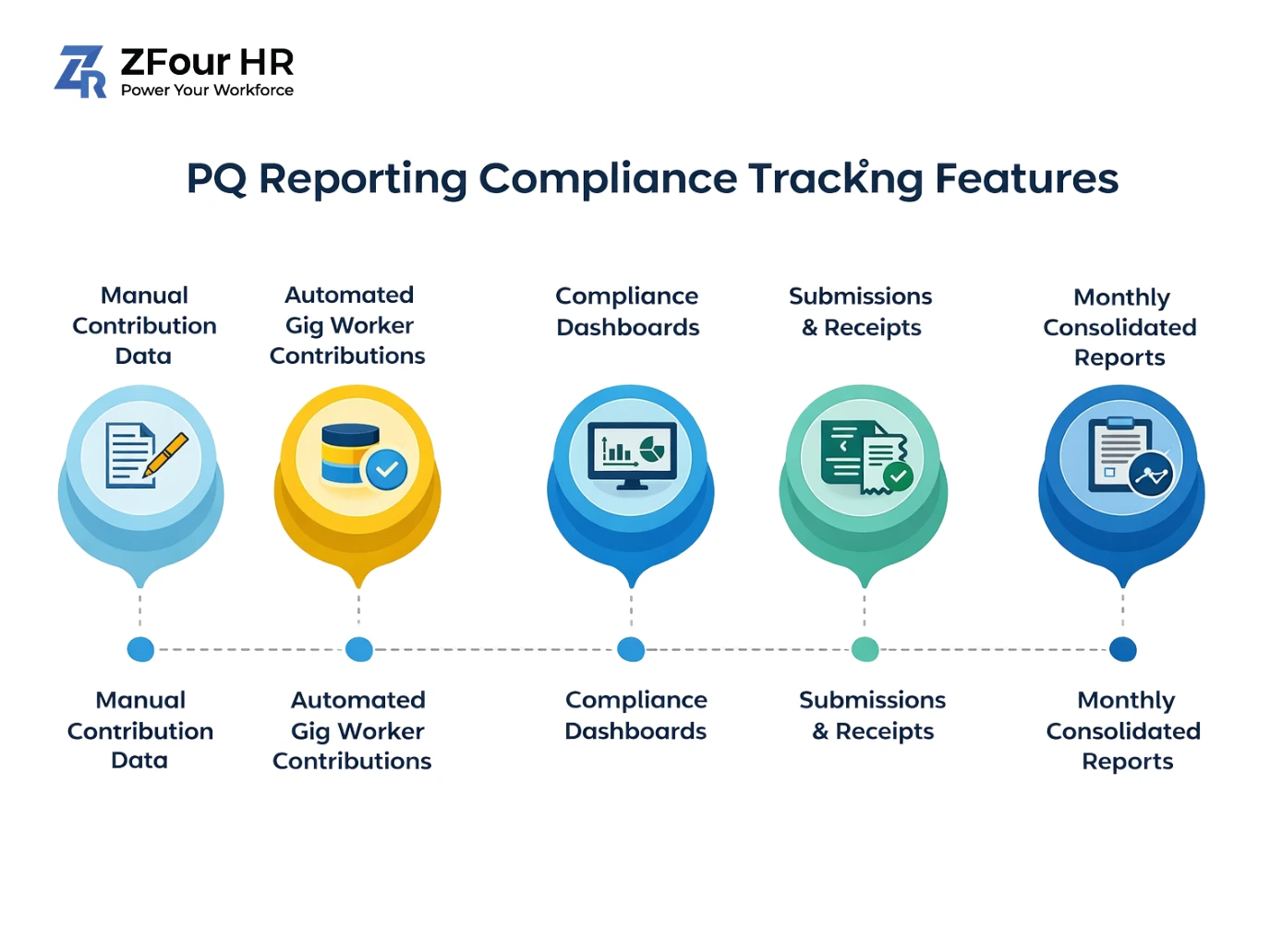
Manual calculations often lead to reporting errors. India’s best HRMS platforms automate contribution tracking in real time.
ESIC and EPF Benefits for Gig Workers

India’s 2026 social security framework extends ESIC and EPF benefits to gig and platform workers.
ESIC Coverage
- Medical and accident benefits
- Platform-linked eligibility
- Digital compliance tracking
EPF and Pension Support
- No fixed salary dependency
- Flexible contribution structure
- Smooth transition to formal benefits
UAN Mapping and Digital Identity Compliance
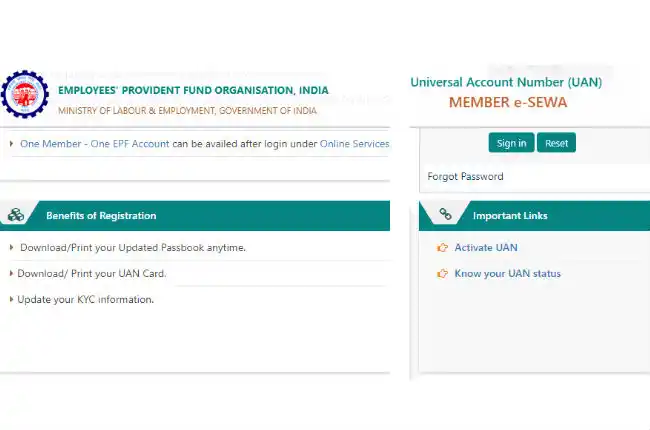
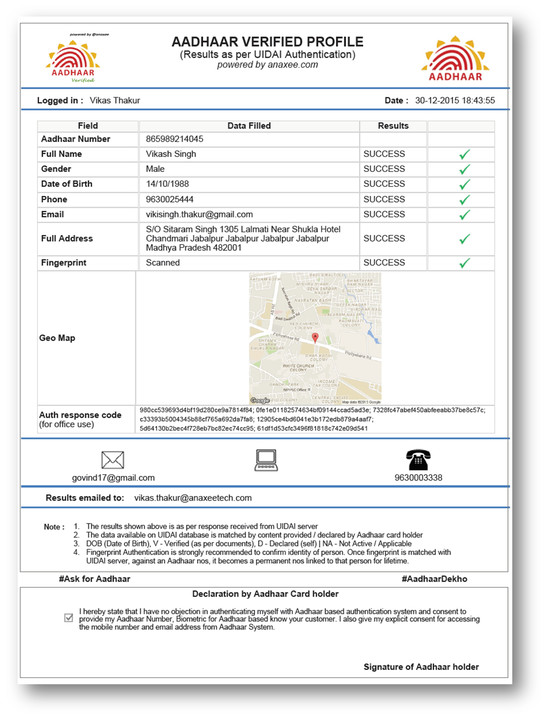
Every gig worker must now be mapped to a Universal Account Number (UAN).
Why UAN Mapping Is Mandatory
- Enables benefit portability
- Prevents duplicate registrations
- Ensures audit transparency
Digital onboarding systems reduce compliance delays significantly.
Principal Employer Liability in Aggregator Compliance India 2026
Vendor-managed workforces do not remove liability.
Legal Risk for Employers
If a vendor fails to deposit contributions:
- The principal employer is held responsible
- Penalties are imposed directly
- Vendor explanations are not accepted
Compliance Control Measures
- Mandatory proof-of-contribution uploads
- Invoice release only after verification
- Centralized vendor compliance dashboards
Real Aggregator Compliance Cost & Penalty Analysis
Monthly Gig Payout | Annual Turnover | Contribution Amount | Penalty (Up to 3×) |
₹50,00,000 | ₹10 Crores | ₹1,00,000 | ₹3,00,000 |
₹25,00,000 | ₹5 Crores | ₹50,000 | ₹1,50,000 |
₹10,00,000 | ₹2 Crores | ₹20,000 | ₹60,000 |
Insight: Most penalties occur due to delayed or incorrect reporting, not intent.
Why India’s Best HRMS Is Essential for Aggregators?
Generic payroll tools are not designed for:
- Variable gig payouts
- Turnover-based compliance
- Vendor liability tracking
- Government integrations
India’s best HRMS solutions offer:
- Automated contribution engines
- Real-time compliance dashboards
- Audit-ready statutory reports
Act Before Compliance Notices Begin
Aggregator Compliance India 2026 is not optional—it is enforceable.
Calculate your aggregator liability now
Avoid Penalties. Stay Audit-Ready.
Managing gig workers manually increases risk. Automated compliance gives you clarity, control, and confidence.
Book a Demo | Get a Quote