7 Ways an HR Portal Can Radically Transform Your Business in 2025
In an era where digital transformation is reshaping every aspect of business, HR departments can no longer rely on outdated systems and manual processes. The shift toward automation and real-time data access has made the HR portal an indispensable tool for modern businesses. But what exactly is an HRMS portal, and how can it revolutionize your organization in 2025?
An HR portal—also known as a human resources portal or employee HR portal—is a centralized platform that allows employees and HR professionals to access, manage, and update HR-related tasks and data in real time.
It's more than just a tech upgrade; it's a strategic investment that enhances employee engagement, streamlines HR operations, and drives overall business efficiency.
In this article, we'll explore 7 transformative ways an HR portal can radically improve your business in 2025, especially as remote work, AI, and self-service tools become the norm.
1. Streamlining HR Processes Through Automation
Manual HR processes are time-consuming, error-prone, and inefficient. From attendance tracking to leave approvals and payroll processing, traditional workflows often create unnecessary administrative burdens.
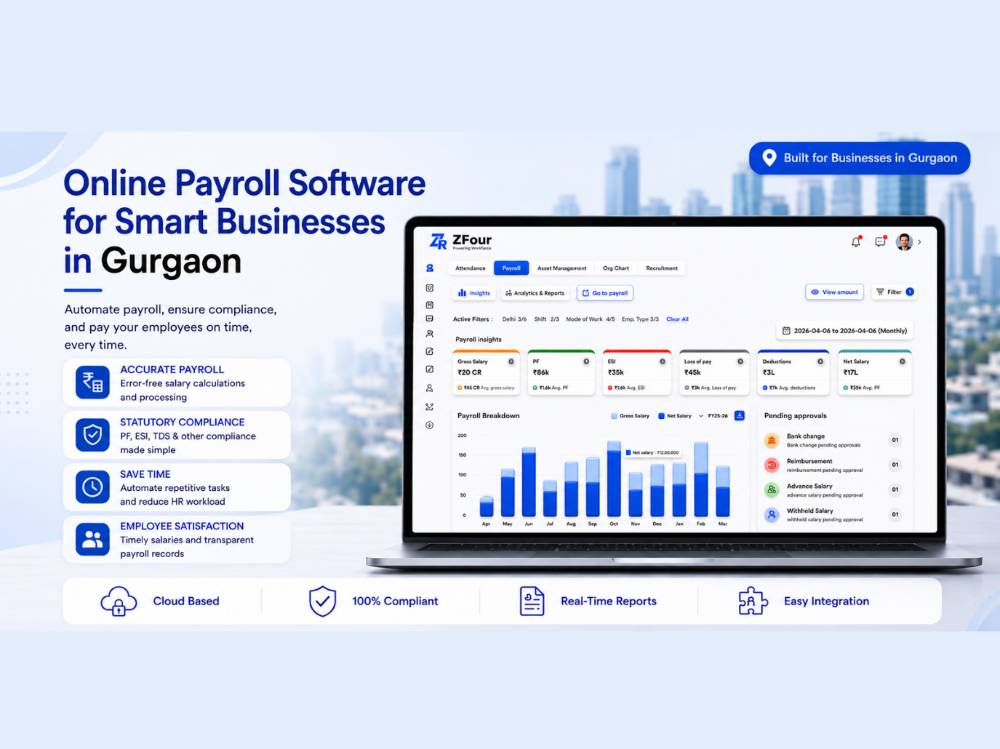
A modern HRMS portal automates these tasks with precision, reducing paperwork and eliminating redundant activities. Features like automated onboarding, digital document signing, real-time attendance logs, and payroll calculations drastically reduce HR’s workload—freeing up time for strategic initiatives.
Why it matters in 2025:Automation is no longer a luxury. In a competitive job market, faster onboarding, instant issue resolution, and real-time updates can be the difference between retaining top talent or losing them to more tech-savvy competitors.
2. Empowering Employees with Self-Service Capabilities
A key feature of any robust employee HR portal is employee self-service (ESS). Employees can access their personal information, view pay slips, apply for leaves, request reimbursements, and even update their contact or banking details—without relying on HR.
This decentralization not only improves accuracy but also increases employee satisfaction. It fosters a sense of ownership and trust, and reduces HR's burden of repetitive queries.
Why it matters in 2025:Millennials and Gen Z employees expect digital-first experiences. A self-service portal aligns with their expectations and enhances the employee experience across all levels.
3. Enhancing Communication and Transparency
Internal communication is a critical part of workforce management. An HR portal serves as a centralized communication hub, allowing HR teams to share important announcements, company policies, event calendars, and compliance updates.
Employees can easily access these documents through the portal, reducing miscommunication and improving transparency.
Why it matters in 2025:As hybrid and remote work become increasingly prevalent, organizations need reliable tools to ensure consistent, inclusive communication across geographically dispersed teams.
4. Leveraging Real-Time Data and HR Analytics
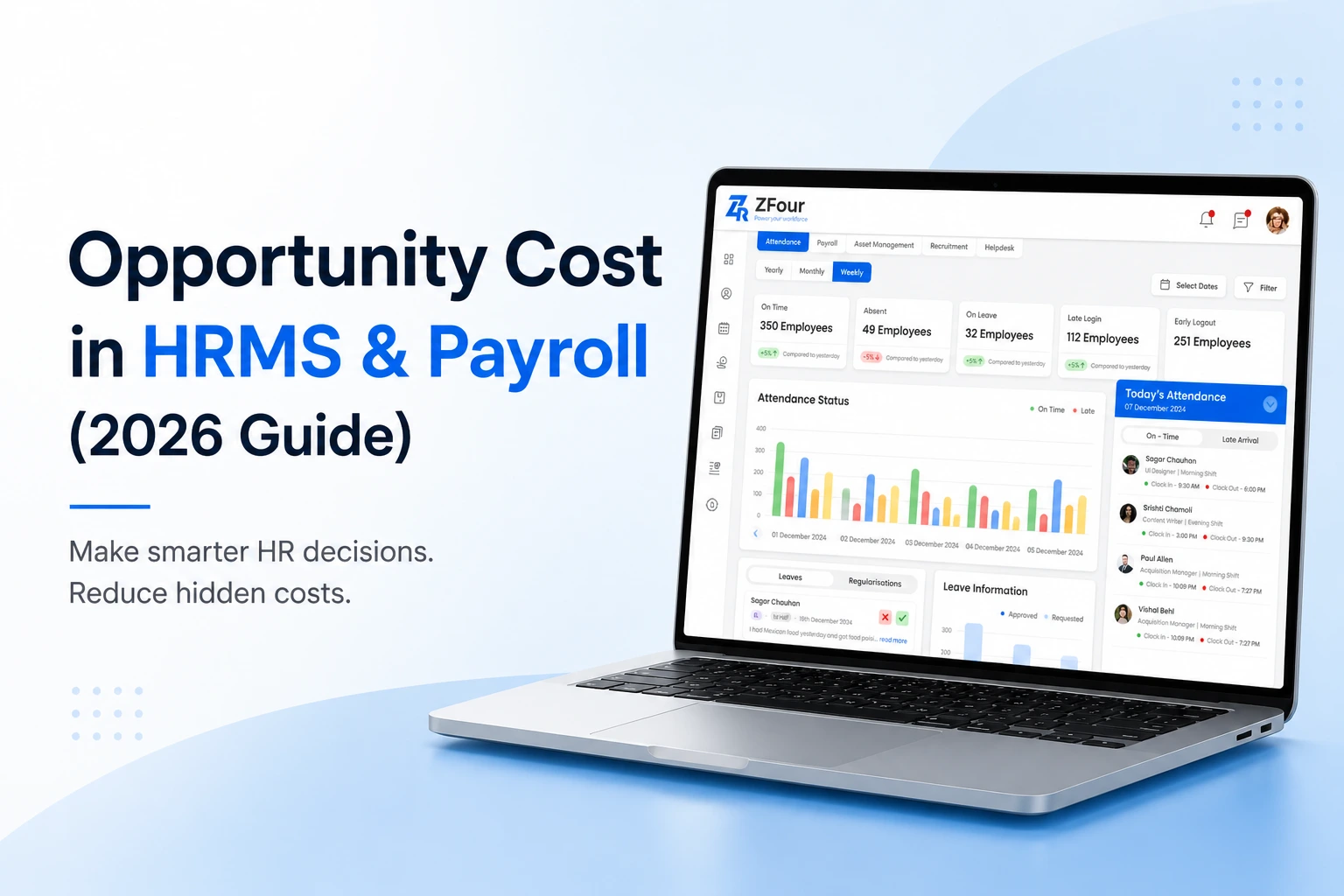
HR portals are powerful sources of real-time workforce data. From tracking attrition rates to monitoring performance metrics and diversity ratios, modern HR software provides access to valuable insights via visual dashboards and reports.
This data empowers HR leaders to make informed decisions based on trends and behavior—whether it’s improving recruitment strategies, optimizing workforce planning, or identifying high-potential employees for leadership roles.
Why it matters in 2025:Data-driven decision-making is the foundation of agile HR. Companies that leverage analytics will have a competitive edge in talent management and organizational growth.
5. Centralizing All HR Functions in One Unified Platform
Gone are the days of juggling between spreadsheets, paper files, and disconnected apps. A fully integrated HR management system centralizes all HR functions—payroll, performance management, employee lifecycle, compliance, and benefits administration—into one portal.
This centralized system minimizes human errors, ensures compliance with local regulations, and allows for seamless collaboration across HR functions.
Why it matters in 2025:With businesses scaling across borders, managing HR from a single source of truth ensures consistency and adaptability across all regions.
6. Supporting Talent Development and Performance Management
Talent management is not just about hiring the right people—it’s about retaining and nurturing them. An HRMS portal helps manage performance reviews, set goals, track learning progress, and provide feedback through an integrated learning management system (LMS).
Managers and HR teams can track employee growth, identify skill gaps, and recommend personalized training modules.
Why it matters in 2025:Continuous learning and feedback are core to employee engagement and retention. A dynamic HR portal helps organizations create a culture of growth and development.
7. Improving Compliance and Reducing Legal Risks
HR compliance can be complex, especially for businesses operating in multiple locations. A digital human resources portal helps track regulatory updates, store sensitive employee data securely, and ensure timely documentation.
Features like automated compliance alerts, audit trails, and e-signature capabilities ensure that organizations stay compliant with labor laws and data privacy regulations.
Why it matters in 2025:Data protection laws like GDPR and India’s Digital Personal Data Protection Act are only becoming stricter. An HRMS portal minimizes legal exposure and builds trust among employees.
What is an HRMS Portal, Really?
To clarify, an HRMS portal (Human Resource Management System) is a cloud-based platform designed to handle the end-to-end HR needs of an organization. It's more than a database—it integrates tech, strategy, and people in one platform. Whether it’s handling recruitment, managing performance, or running payroll—an HRMS portal is your go-to control center.
Bonus: Key Features to Look for in a 2025-Ready HR Portal
When choosing or upgrading your HR portal in 2025, make sure it includes:
- Mobile accessibility
- AI-driven chatbots for query resolution
- Personalized dashboards for employees and managers
- Automated notifications and reminders
- Integration with productivity tools (Slack, Teams, Zoom)
- Strong data security features
- Support for hybrid workforce management
Conclusion
In 2025, investing in an HR portal is no longer just about modernization—it's a necessity for survival and success. Whether you're a growing startup or a large enterprise, the benefits of a smart, intuitive HRMS portal go far beyond administrative convenience.
By automating tasks, empowering employees, leveraging analytics, and ensuring compliance, the HR portal becomes a key driver of digital transformation and business growth. It’s time to stop thinking of HR tech as a cost center—and start recognizing it as a strategic asset.
* Ready to Revolutionize Your HR Department?
Discover how Z4HRMS can help you implement a next-gen HR portal tailored to your business needs. Visit www.z4hr.com or reach out to us for a free demo.